






Best AI SEO Tools for Content Optimization and Smarter Workflows in 2026
SEO has changed dramatically in recent years. Ranking well in Google is no longer only about keywords and backlinks — modern SEO now depends on search intent, topical authority, content quality, semantic relevance, internal linking, user experience, and content structure.
As websites publish more content than ever, AI-powered SEO tools are becoming essential for creators, marketers, bloggers, agencies, and designers who want to produce optimized content faster without sacrificing quality.
Modern AI SEO tools can help with keyword research, SERP analysis, content briefs, semantic optimization, topic clustering, internal linking, AI-assisted writing, competitor analysis, and on-page SEO improvements.
This DesignRise guide explores some of the best AI SEO tools for 2026 and explains how they can support smarter content strategies, faster workflows, and stronger search visibility.
Why AI SEO Tools Matter in 2026
Search engines are becoming better at understanding content quality, context, and user intent. Because of this, SEO workflows are also becoming more advanced.
Instead of manually researching every keyword, analyzing competitors one by one, or building content structures from scratch, AI tools can now automate large parts of the SEO process.
These platforms help creators:
- Analyze search intent faster
- Identify semantic keyword opportunities
- Build stronger content structures
- Improve readability and topical coverage
- Discover internal linking opportunities
- Scale content production more efficiently
- Optimize articles for modern search algorithms
On DesignRise, we see AI SEO workflows as a combination of automation and human editorial thinking. AI can accelerate optimization, but strong content strategy and creative direction still matter.
Explore More DesignRise AI Resources:
- 10 AI Tools Every Designer Should Try in 2026
- Best AI Tools for Graphic Design
- The New AI Design Workflow Every Designer Should Master in 2026
What Makes a Good AI SEO Tool?
Not every AI SEO platform is designed for the same type of workflow. Some focus on semantic optimization, others on AI-assisted writing, SERP analysis, topic clustering, or enterprise-scale content planning.
The best SEO tools usually combine:
- Keyword and SERP analysis
- Semantic optimization
- Content structure recommendations
- Readability improvements
- Internal linking suggestions
- Content scoring systems
- AI writing assistance
- Competitor analysis
The right tool depends on your workflow, budget, content volume, and SEO experience level.
1. Surfer SEO
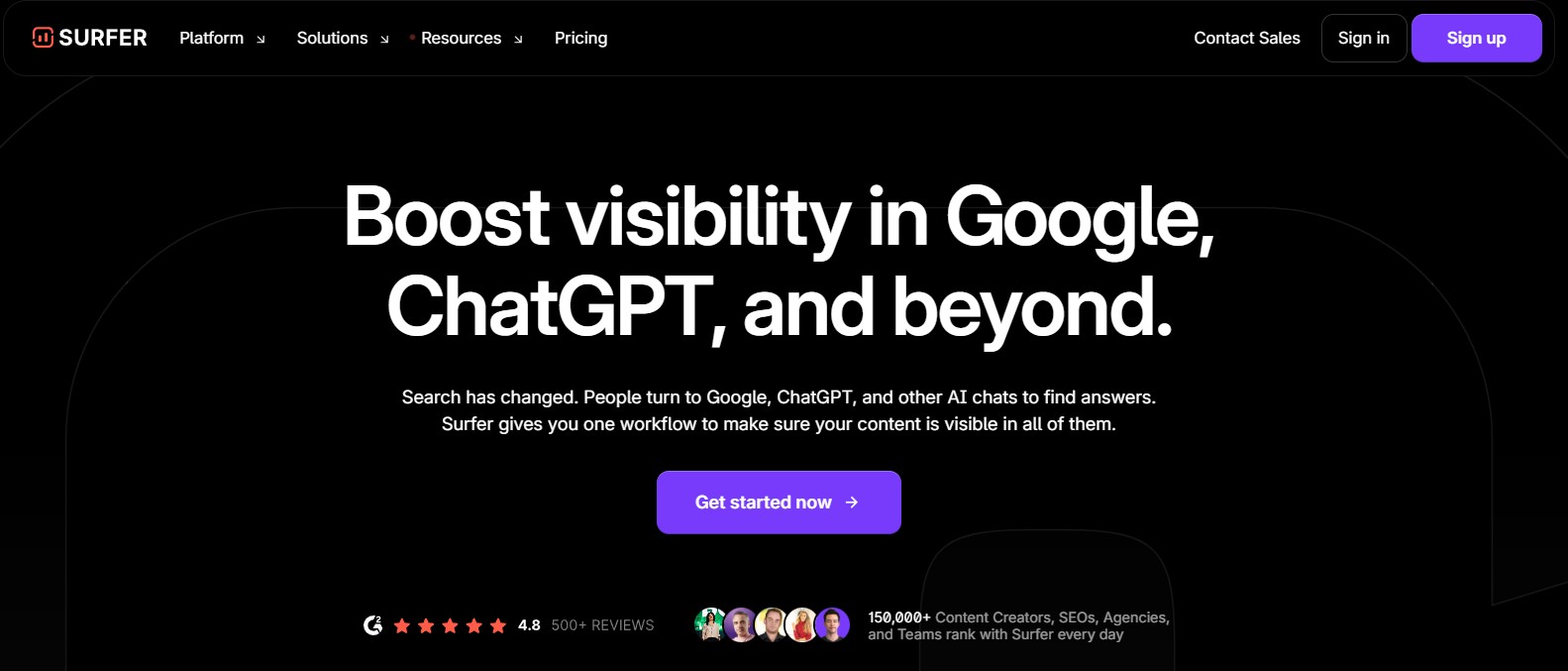
Surfer SEO remains one of the most popular AI-powered content optimization platforms for bloggers, marketers, agencies, and SEO professionals.
It analyzes top-ranking pages and provides real-time recommendations for headings, keywords, semantic terms, structure, and readability.
- Best for: Content optimization and on-page SEO
- Key features: Content Editor, SERP Analyzer, Keyword Surfer, AI recommendations
- Why it stands out: Excellent balance between usability and advanced optimization features
2. Frase
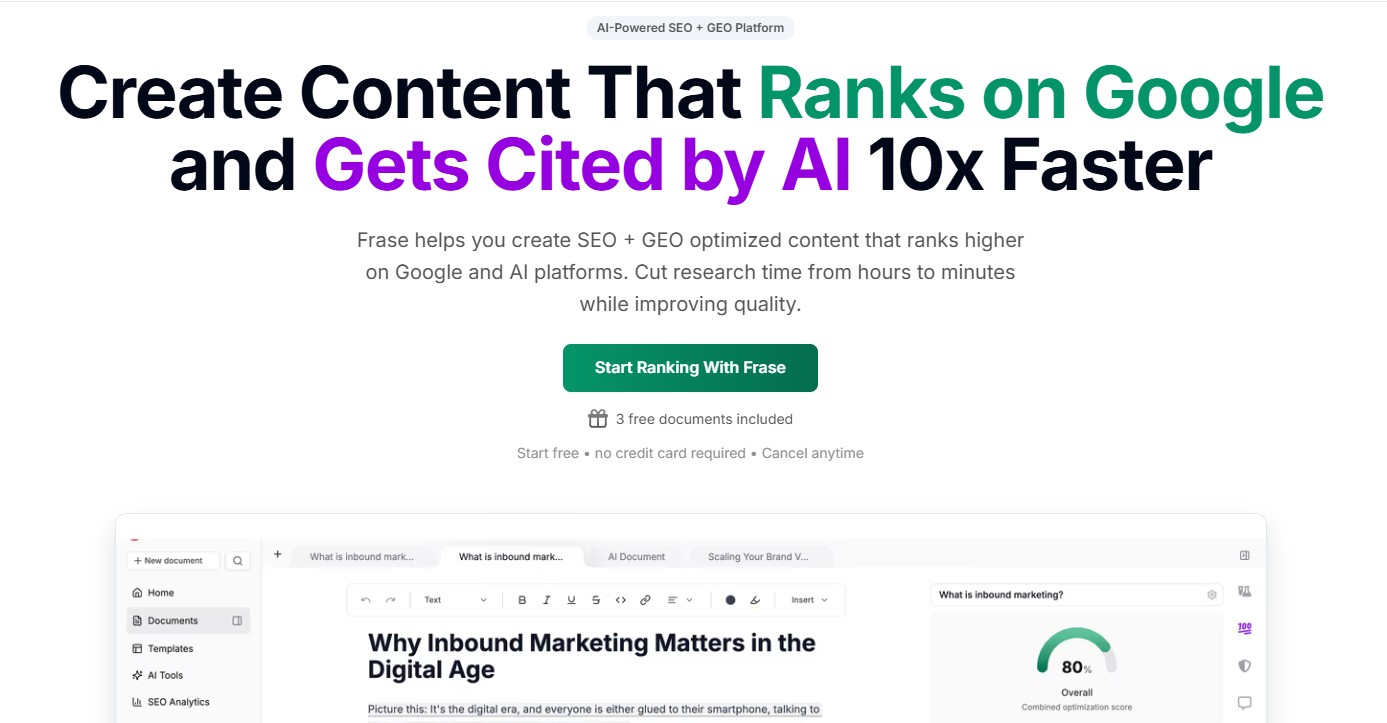
Frase combines AI writing support with SEO research and content planning tools. It is especially useful for creating optimized article outlines and understanding search intent quickly.
Frase can generate content briefs, analyze competitor pages, suggest related questions, and help structure long-form content more efficiently.
- Best for: Bloggers, niche websites, SEO content planning
- Key features: AI Writer, SERP analysis, topic research, content briefs
- Why it stands out: Strong search intent analysis and beginner-friendly workflow
3. NeuronWriter
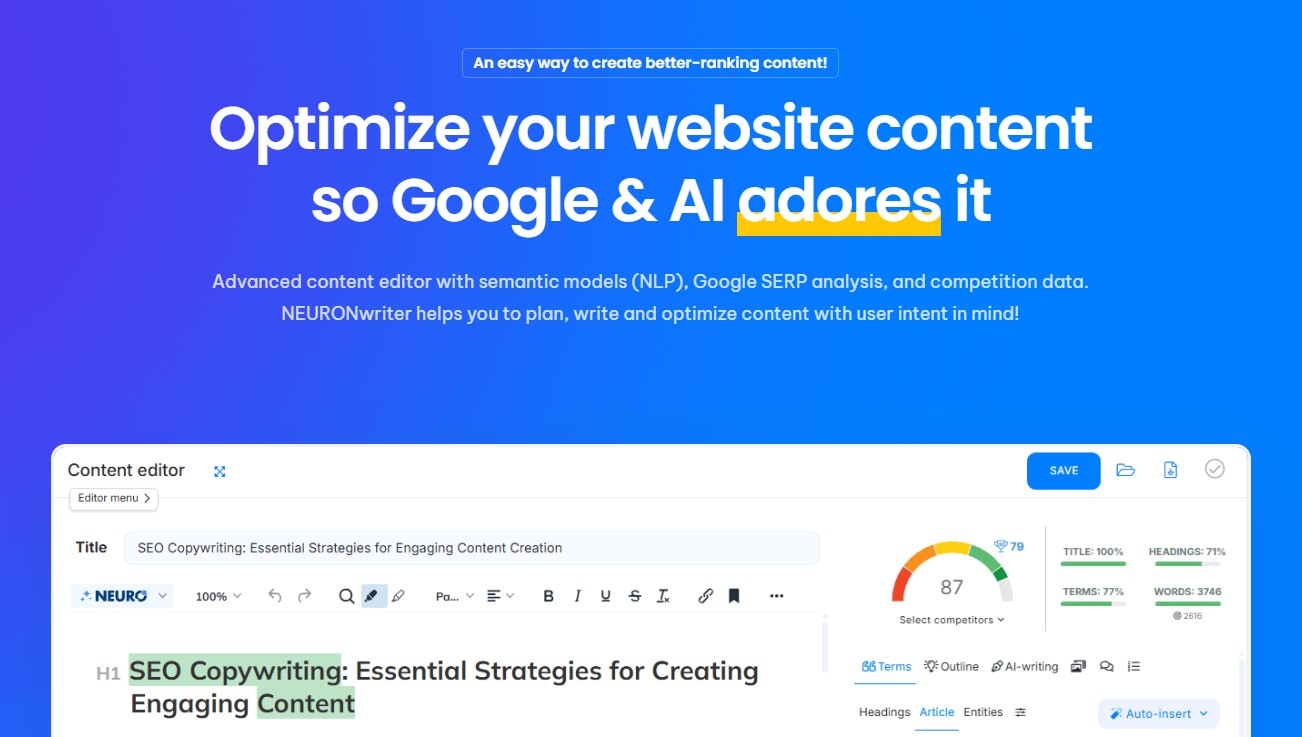
NeuronWriter focuses heavily on semantic SEO and NLP-based optimization. It helps creators improve topical coverage by analyzing high-ranking pages and recommending relevant keyword relationships.
The platform is especially useful for improving content depth and building stronger semantic relevance.
- Best for: Semantic SEO and topical optimization
- Key features: NLP analysis, optimization scoring, competitor insights
- Why it stands out: Strong semantic optimization at an affordable price
4. Scalenut
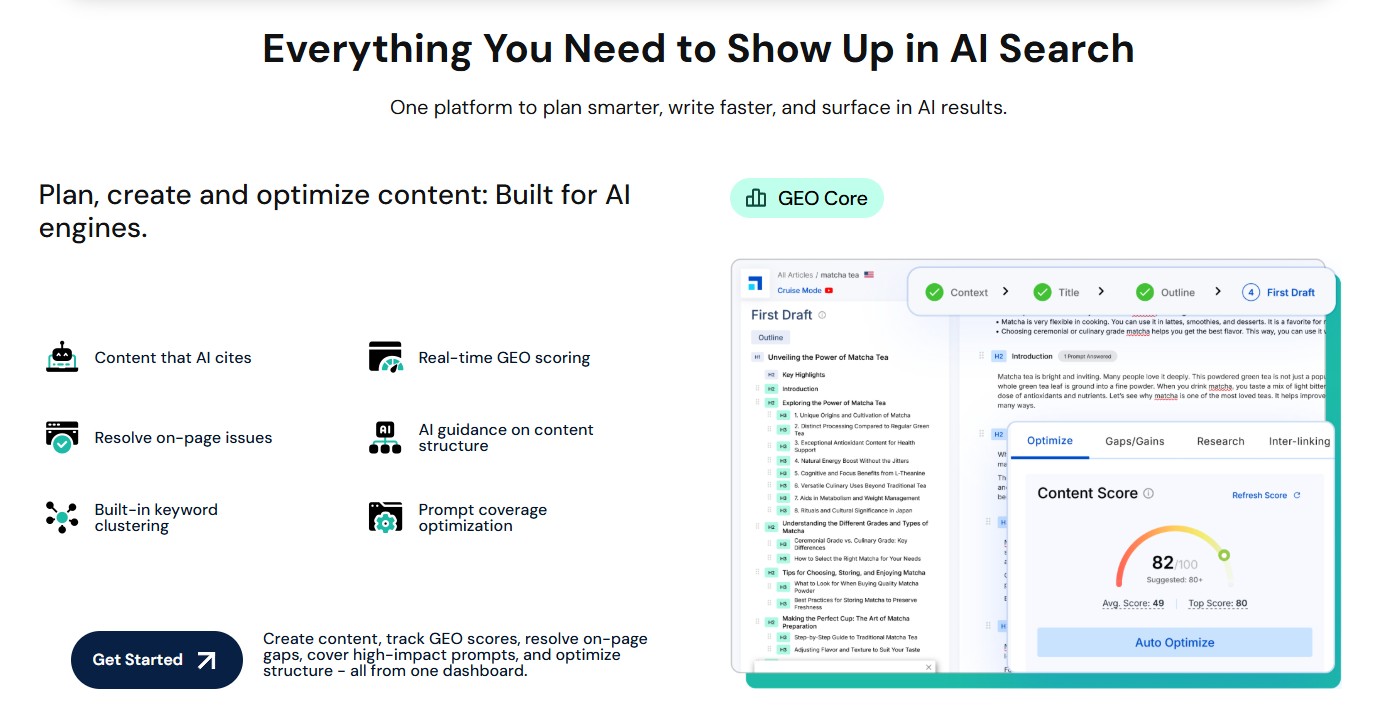
Scalenut combines AI writing workflows with SEO optimization inside one platform. Its Cruise Mode feature helps generate long-form articles using keyword data and AI-assisted structure recommendations.
It is designed for teams that need scalable content production.
- Best for: Agencies and content-heavy workflows
- Key features: Cruise Mode, AI writing, topic clustering, SEO scoring
- Why it stands out: Fast content production with integrated SEO guidance
5. Clearscope
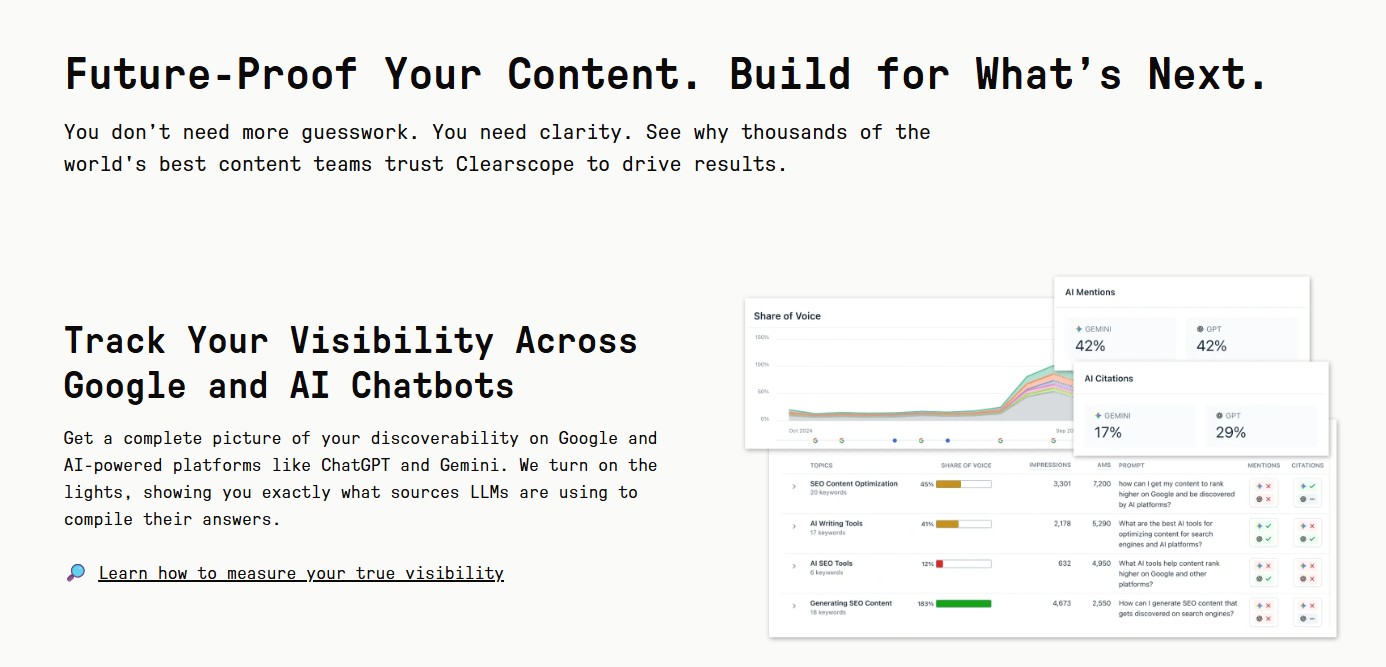
Clearscope is widely used by professional content teams and enterprise SEO agencies. It focuses on readability, semantic coverage, and content quality rather than aggressive keyword stuffing.
The platform is known for its clean interface and highly accurate optimization recommendations.
- Best for: Premium SEO content production
- Key features: Content grading, semantic recommendations, readability analysis
- Why it stands out: Excellent content quality optimization
6. MarketMuse
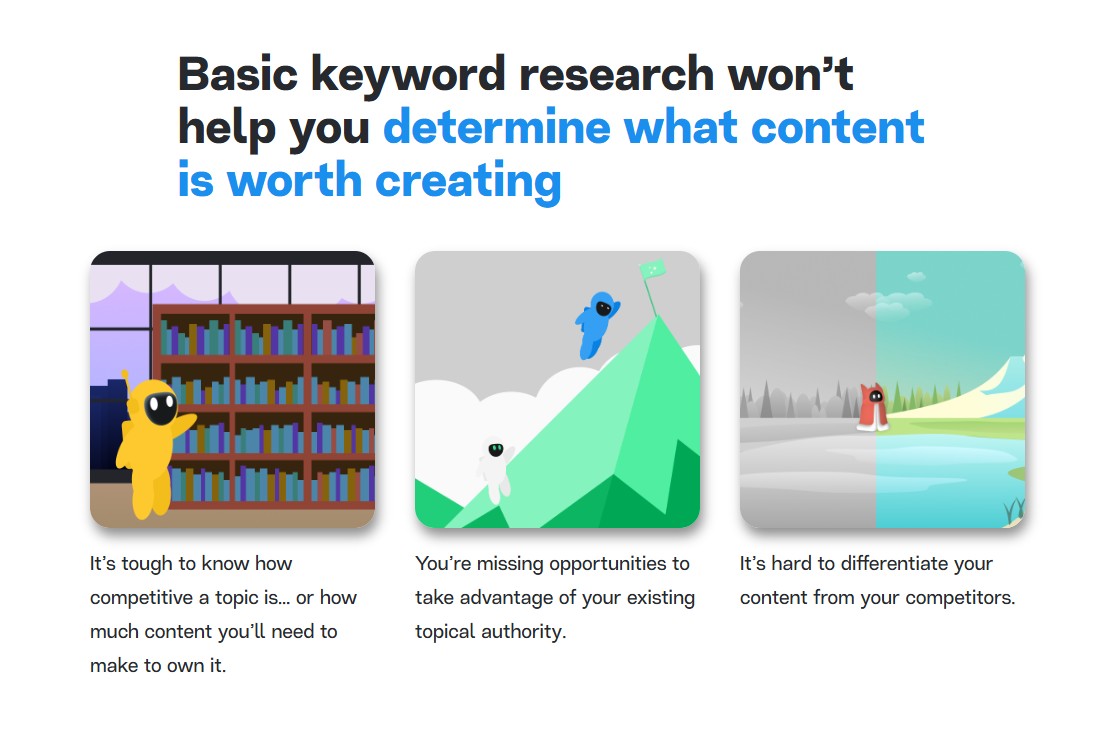
MarketMuse focuses on topical authority and long-term content strategy. Instead of optimizing only individual pages, it analyzes entire content ecosystems and identifies gaps in coverage.
This makes it especially useful for large websites building authority in specific niches.
- Best for: Topical authority and enterprise SEO
- Key features: Topic modeling, content gap analysis, internal link suggestions
- Why it stands out: Excellent for long-term content planning
7. SE Ranking AI Content Assistant
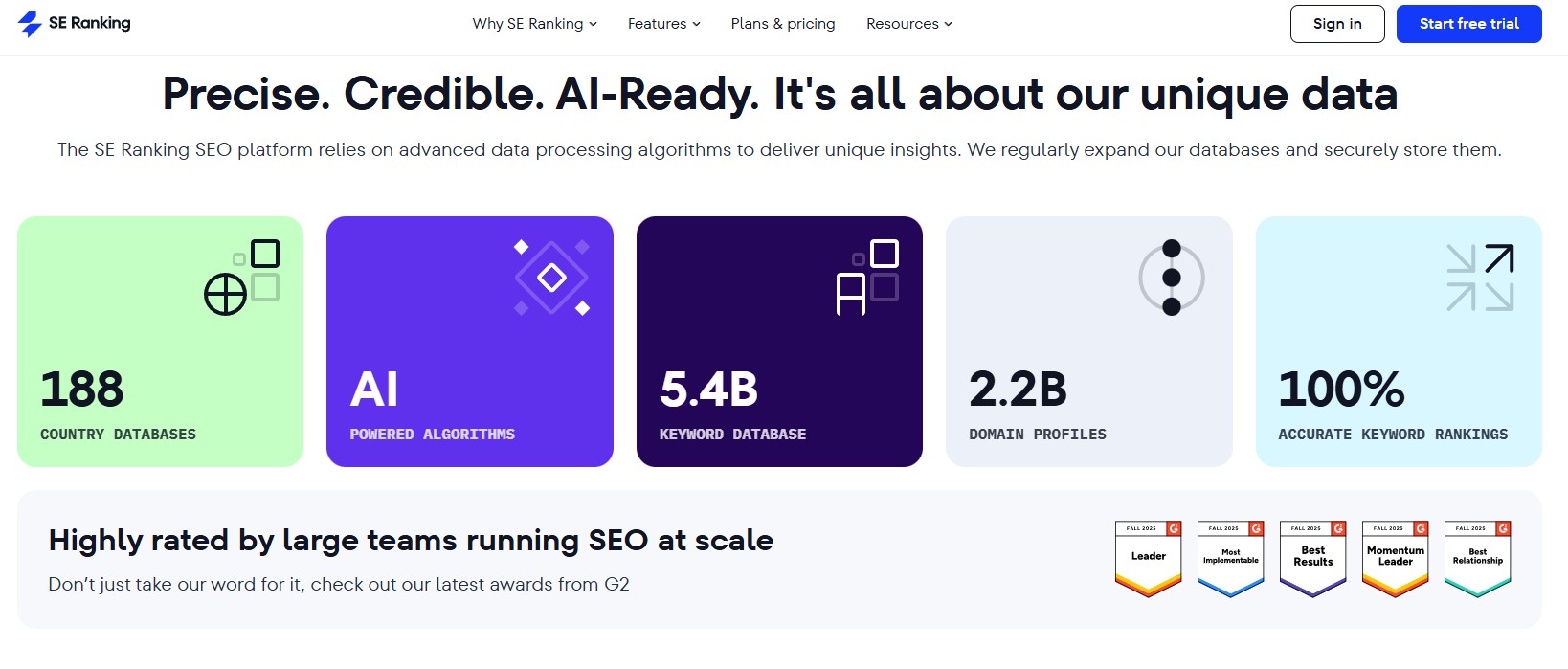
SE Ranking expanded its platform with AI-powered content optimization tools that support keyword grouping, competitor analysis, and metadata generation.
It combines SEO auditing tools with content optimization workflows inside one ecosystem.
- Best for: Small businesses and freelancers
- Key features: AI content assistant, keyword grouping, SEO audits
- Why it stands out: Balanced all-in-one SEO workflow
8. GrowthBar
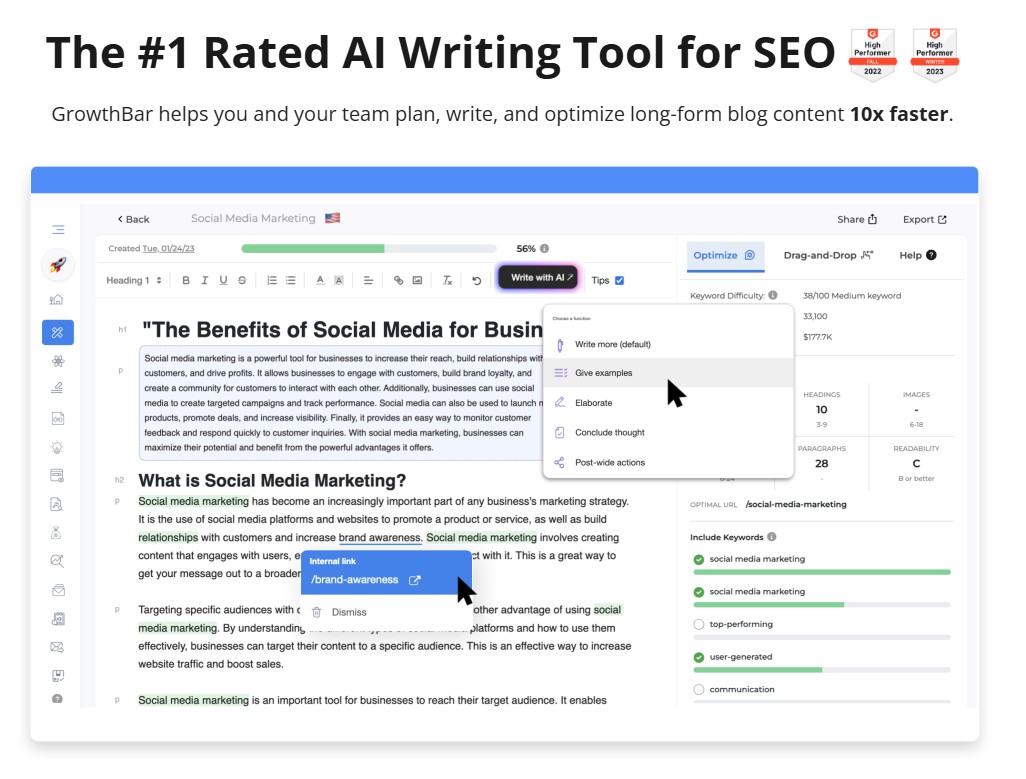
GrowthBar is designed for creators who want simple and fast SEO workflows. It provides AI writing support, keyword research, content outlines, and optimization suggestions directly inside the editor.
Its simplicity makes it especially useful for beginners.
- Best for: Bloggers, startups, and freelancers
- Key features: Blog outlines, keyword research, AI writing support
- Why it stands out: Beginner-friendly interface and fast workflow
9. Writesonic
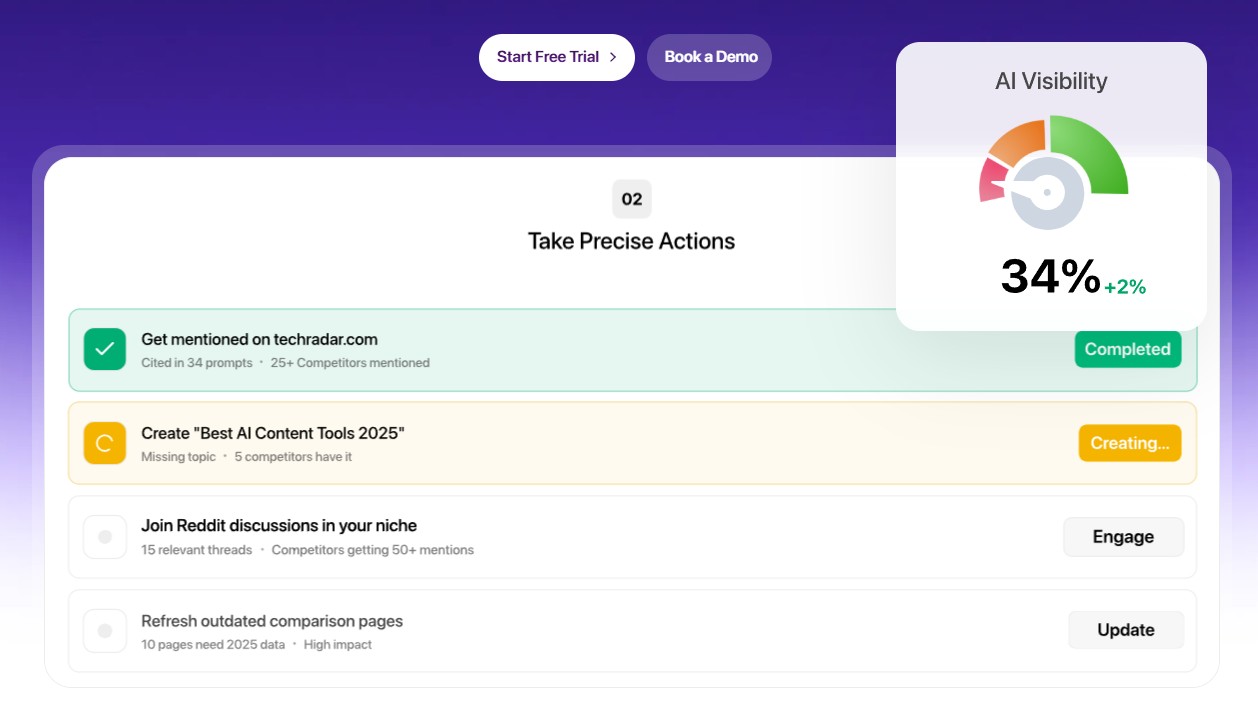
Writesonic expanded its SEO-focused writing workflows with tools for article generation, metadata creation, SERP snippets, and AI-assisted blog writing.
It is designed for creators who want fast content generation combined with SEO structure guidance.
- Best for: Content creators and marketing teams
- Key features: AI article writer, metadata generation, SEO templates
- Why it stands out: Strong AI writing workflow integration
10. Outranking
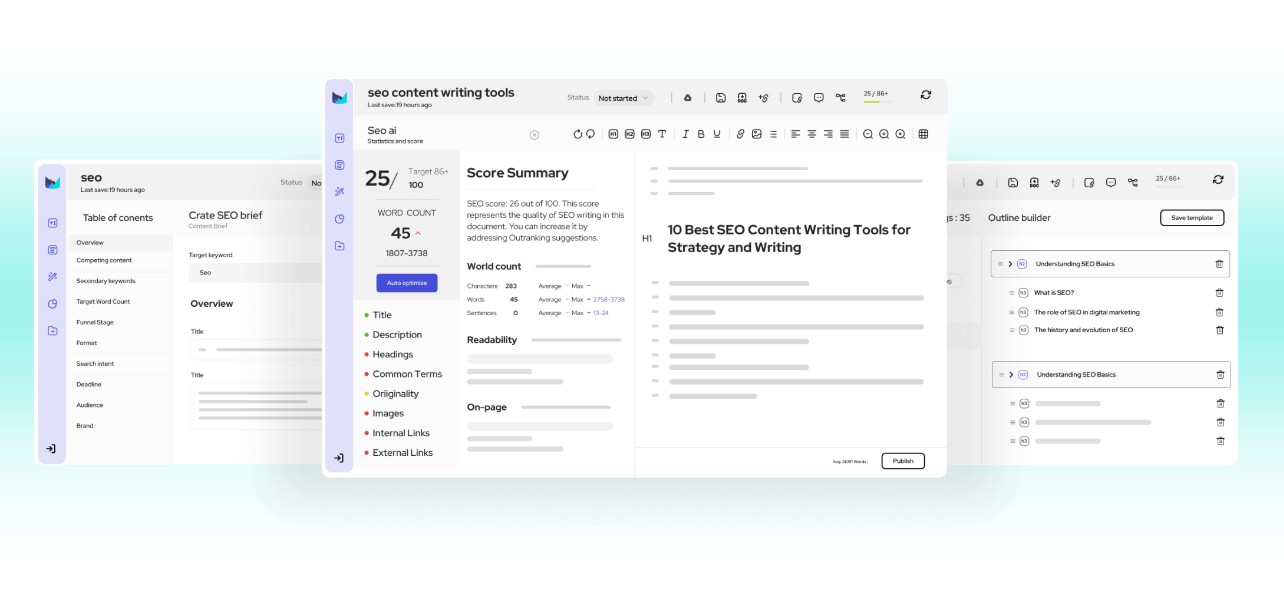
Outranking focuses on strategic SEO optimization and content structure improvement. It uses AI to recommend better internal linking, stronger topical coverage, and improved E-E-A-T alignment.
It is especially useful for advanced SEO workflows and agencies managing large content systems.
- Best for: Advanced SEO teams and agencies
- Key features: AI research, E-E-A-T optimization, auto-linking
- Why it stands out: Strong strategic SEO workflow support
How AI SEO Tools Fit Into Modern Content Workflows
The most effective SEO workflows usually combine several types of tools instead of relying on a single platform.
A common modern workflow may include:
- Keyword research and SERP analysis
- Topic clustering and content planning
- AI-assisted outline generation
- Semantic optimization
- Internal linking improvements
- Readability optimization
- Content refresh and updating workflows
For growing websites, AI SEO tools can significantly reduce manual research time while improving consistency and scalability.
Conclusion
AI SEO tools are becoming an essential part of modern content strategy. They help creators research faster, optimize more intelligently, build stronger topical authority, and scale content workflows more efficiently.
But AI alone is not enough to create valuable content. The strongest websites still depend on editorial quality, useful information, strong UX, thoughtful structure, and human creative direction.
DesignRise regularly shares AI tools, design resources, SEO workflows, and creative strategies for modern creators and digital professionals. Bookmark this guide and revisit it whenever you want to improve your SEO workflow or explore new AI-powered content tools.
Explore More AI and SEO Resources
- The New AI Design Workflow Every Designer Should Master in 2026
- 10 AI Tools Every Designer Should Try in 2026
- Best AI Tools for Graphic Design
- Best GPT-Powered Tools to Boost Your ChatGPT Experience
- UI/UX Design Resources and Tutorials
Discover more from DesignRise
Subscribe to get the latest posts sent to your email.