
AI Web Builders vs Web Designers: Who Wins in 2026?
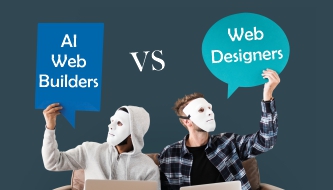
As AI web builders continue to reshape the design industry, one question keeps appearing in creative communities, startup forums, and business conversations: will AI replace human web designers, or will both work together?
In 2026, AI-generated websites are no longer a futuristic idea. Platforms like Framer AI, Wix AI, Webflow AI, Durable, 10Web, and other no-code AI systems can generate website layouts, sections, images, copy, and basic SEO structures in minutes.
For small businesses, this sounds like a dream. A website that once took weeks can now appear almost instantly. But speed is not the same as strategy. A fast website is not always a good website. And a generated layout is not the same as a thoughtful user experience.
This DesignRise guide compares AI web builders vs web designers in a practical way. We’ll look at what AI does well, where human designers still win, when businesses should use AI builders, when they should hire a professional designer, and why the future of web design is probably not AI versus humans — but AI-assisted web design.
You May Also Like:
- How to Train and Develop the 12 Core Competencies of UX Design
- 25 Creative ChatGPT Prompts for Web Designers
- Best Figma Presentation Templates
The Short Answer: AI Is Fast, Designers Are Strategic
If we need a quick answer, it is this: AI web builders win at speed, cost, and simple website creation. Human web designers win at strategy, originality, brand storytelling, advanced UX, emotional design, and complex problem-solving.
That means there is no single winner for every project. The best choice depends on the goal.
| Project Type | Best Choice | Why |
|---|---|---|
| Simple landing page | AI web builder | Fast, affordable, and easy to launch |
| Personal portfolio | AI builder or designer | AI is enough for basic portfolios; designers help with originality |
| Startup website | AI-assisted designer | Needs speed, strategy, and brand clarity |
| Premium brand website | Human web designer | Requires custom art direction and strong storytelling |
| Complex SaaS or dashboard | Human UX/UI designer | Needs research, flows, interaction design, and testing |
| Local business website | AI builder or AI-assisted designer | AI can create the base; a designer can polish conversion and trust |
The real winner in 2026 is the designer or business owner who knows when to use AI — and when human design expertise is worth the investment.
What Are AI Web Builders?
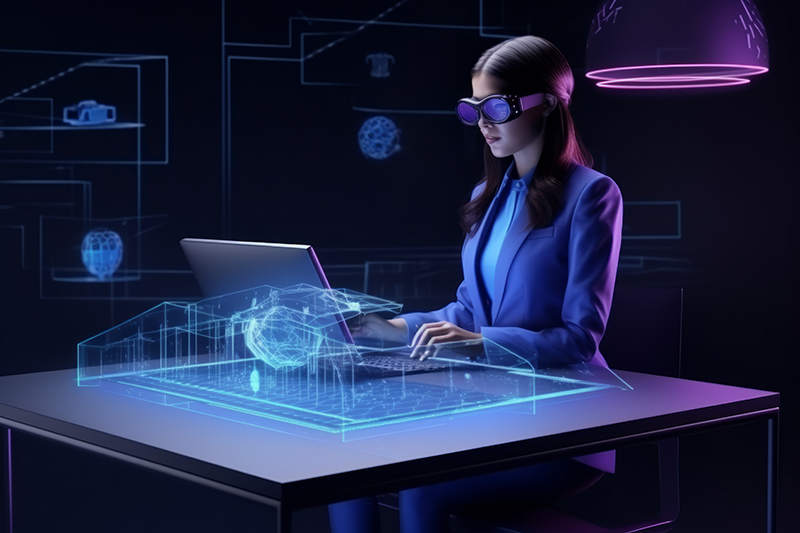
AI web builders are platforms that use artificial intelligence to generate websites based on prompts, business details, user preferences, or templates. Instead of starting with a blank page, users describe what they need, and the platform creates a website structure automatically.
A typical AI web builder can generate:
- Website layouts.
- Homepage sections.
- Color palettes.
- Basic typography combinations.
- Images or image suggestions.
- Website copy.
- Service pages.
- Contact sections.
- Basic SEO titles and descriptions.
- Mobile-responsive structures.
Popular examples include Framer AI, Wix AI, Webflow AI tools, Durable, 10Web AI Builder, Hostinger AI Website Builder, and similar no-code website platforms.
The main goal of AI web builders is simple: make website creation faster and more accessible for people who do not want to code or hire a full design team.
What Do Professional Web Designers Bring to the Table?

A professional web designer does much more than arrange sections on a page. Strong web design is a mix of visual design, user experience, brand strategy, psychology, accessibility, content hierarchy, and business thinking.
Human web designers bring:
- Strategic thinking about goals, audience, and conversion.
- Brand identity expertise that makes a website feel unique.
- UX/UI problem-solving for real user behavior.
- Visual storytelling that connects design with emotion.
- Custom interaction design for premium digital experiences.
- Human judgment about what feels clear, trustworthy, and memorable.
- Collaboration with clients, developers, marketers, and content teams.
AI can generate a website. A designer can shape an experience that supports a brand, guides users, and solves a real business problem.
AI Web Builders: Main Strengths
AI web builders are not just a trend. They solve real problems, especially for small businesses, creators, freelancers, and early-stage projects.
1. Speed
The biggest advantage of AI website builders is speed. A user can generate a first version of a website in minutes instead of waiting days or weeks for a designer or developer.
2. Lower Cost
AI builders are usually more affordable than hiring a full design team. This makes them attractive for startups, personal brands, local businesses, and creators with limited budgets.
3. Easy for Non-Designers
Many AI builders are made for people who do not know design or code. They simplify decisions about layout, structure, colors, and copy.
4. Good for Simple Websites
AI builders can work well for landing pages, simple portfolios, event pages, service pages, and basic small business websites.
5. Built-In Starting Points
Many AI builders include mobile layouts, basic SEO fields, prebuilt sections, image suggestions, contact forms, and templates. This gives beginners a useful foundation.
AI Web Builders: Main Limitations
AI web builders are useful, but they are not perfect. Their biggest weakness is that they often generate websites based on patterns. That can make the result fast, but also generic.
Lack of Deep Brand Understanding
AI can ask questions about a brand, but it does not truly understand culture, emotional meaning, audience perception, long-term positioning, or competitive nuance the way a human strategist can.
Generic Visual Results
Many AI-generated websites look polished at first, but similar to thousands of other sites. This can be a problem for brands that need a distinctive identity.
Limited Advanced UX
AI can suggest a basic structure, but complex user journeys, SaaS dashboards, booking flows, eCommerce funnels, onboarding systems, and accessibility-sensitive products still need human UX thinking.
Weak Storytelling
A website should not only “exist.” It should communicate why the brand matters. AI can generate copy and sections, but it often struggles with deeper storytelling and emotional flow.
Quality Still Needs Human Review
AI-generated websites can include weak copy, awkward layouts, poor visual hierarchy, accessibility issues, or sections that do not support the actual business goal.
Human Web Designers: Main Strengths

Human web designers remain valuable because great web design is not only about building pages. It is about making decisions that help users understand, trust, and act.
1. Originality and Creative Direction
Designers can create a visual world that feels specific to the brand. They can break patterns, use emotion, create memorable layouts, and build a unique identity.
2. UX Problem-Solving
Real UX design requires research, empathy, testing, user flows, accessibility knowledge, and the ability to understand why users behave the way they do.
3. Brand Storytelling
Designers translate brand values into layout, typography, color, imagery, motion, tone, and structure. This is where websites become more than templates.
4. Custom Interactions
Premium websites often need custom animations, micro-interactions, transitions, scroll effects, product demos, or interactive storytelling. These details still need human creativity and judgment.
5. Better Collaboration
Designers can work with clients, developers, marketers, copywriters, SEO specialists, and founders. They can ask questions, challenge assumptions, and adjust the direction based on feedback.
Human Web Designers: Limitations

Human designers are powerful, but they also have limitations. This is why AI is becoming useful inside professional design workflows.
Design Takes More Time
Research, strategy, wireframes, custom UI, revisions, and development handoff take time. For very simple projects, this process may feel too slow.
Custom Design Costs More
Professional web designers usually cost more than AI builders. That investment can be worth it for serious brands, but not every project needs a custom website from day one.
Quality Depends on Skill Level
Not every designer produces strong results. A weak designer can create a site that is less effective than a well-used AI builder. Experience, taste, process, and UX knowledge matter.
Head-to-Head Comparison: AI Web Builders vs Web Designers
| Category | AI Web Builders | Human Web Designers |
|---|---|---|
| Speed | Very fast | Slower, more thoughtful process |
| Cost | Usually lower | Usually higher |
| Originality | Often template-based | More custom and unique |
| Brand Strategy | Basic | Strong when done professionally |
| UX Research | Limited | Much stronger |
| Complex Projects | Can struggle | Better for advanced websites and apps |
| SEO Structure | Basic starting point | Can be more strategic with content and technical planning |
| Emotional Design | Limited | Stronger storytelling and visual meaning |
| Best Use | Simple sites, prototypes, quick launches | Brands, complex UX, custom experiences |
When Should You Use an AI Web Builder?
An AI web builder can be a smart choice when speed and budget are more important than deep customization.
Use an AI web builder if:
- You need a simple website quickly.
- You are testing a business idea.
- You need a temporary landing page.
- You have a small budget.
- You do not need complex UX.
- Your brand identity is still developing.
- You want to create a prototype before hiring a designer.
AI builders are especially useful for creators, small local businesses, side projects, event pages, simple service websites, and early startup ideas.
When Should You Hire a Web Designer?
A professional web designer is usually the better choice when the website needs to support a serious brand, complex user journey, or high-value business goal.
Hire a web designer if:
- Your website must feel unique and premium.
- You need a strong brand identity.
- You sell high-ticket services or products.
- Your website needs custom UX flows.
- You need conversion strategy, not just design.
- You are building a SaaS product, app, dashboard, or marketplace.
- You need accessibility, user research, and testing.
- Your website is central to your business revenue.
For serious businesses, design is not just decoration. It affects trust, conversion, brand perception, and customer experience.
Why Designers Shouldn’t Fear AI
AI does not replace web designers completely. It replaces some tasks. Designers who learn how to use AI can become faster, more efficient, and more competitive.
AI can help designers:
- Generate wireframe ideas.
- Create layout variations.
- Draft basic copy.
- Explore color palettes.
- Build quick prototypes.
- Improve accessibility checks.
- Automate repetitive production tasks.
- Create better client presentations.
The most successful designers in 2026 are not ignoring AI. They are using it as part of their workflow while still bringing strategy, taste, and human judgment.
The Future: AI-Assisted Web Designers
The future of web design is not “AI builders versus designers.” It is AI-assisted web designers.
This new workflow looks like this:
- AI helps with speed: wireframes, first drafts, section ideas, content variations, and layout exploration.
- The designer adds strategy: brand direction, UX logic, visual hierarchy, and audience understanding.
- AI helps with production: resizing, variations, code suggestions, testing, and optimization ideas.
- The designer controls quality: final visuals, interactions, accessibility, storytelling, and user experience.
This partnership is powerful because it combines the best parts of both sides: AI speed and human creativity.
FAQ: AI Web Builders vs Web Designers
Will AI web builders replace web designers?
AI web builders may replace some simple website-building tasks, but they are unlikely to replace strong web designers who understand strategy, UX, branding, storytelling, accessibility, and custom digital experiences.
Are AI web builders good for small businesses?
Yes. AI web builders can be useful for small businesses that need a simple, affordable website quickly. However, businesses that need strong branding, conversion strategy, or custom UX may still benefit from a professional designer.
What is the biggest advantage of AI web builders?
The biggest advantage is speed. AI web builders can generate a basic website structure quickly, which is useful for prototypes, landing pages, and simple business websites.
What is the biggest advantage of human web designers?
The biggest advantage is strategic thinking. Human designers can understand audience needs, brand emotion, user behavior, business goals, and custom design problems more deeply than AI builders.
Should designers learn AI web builders?
Yes. Designers who learn AI web builders can work faster, create prototypes more efficiently, offer better workflows, and stay competitive as web design tools continue to evolve.
Who wins: AI web builders or web designers?
The real winner is the combination of both. AI provides speed and automation, while designers provide strategy, originality, emotional design, and human-centered decision-making.
Conclusion: The Real Winner Is AI Plus Designers
So, who wins in 2026 — AI web builders or web designers?
The honest answer is that neither wins alone. AI web builders are excellent for speed, affordability, prototypes, simple websites, and quick launches. Human web designers are better for strategy, originality, complex UX, emotional storytelling, and premium brand experiences.
The strongest future belongs to people who combine both. AI can create the first draft. Designers can turn that draft into something meaningful, usable, beautiful, and aligned with real business goals.
AI provides speed. Designers provide soul. Together, they can create better websites than either one could build alone.
Explore more AI tools, web design insights, and creative workflow guides on DesignRise.