






Free wall mockups help designers place logos, posters, artwork, wall graphics, signage, decals, and typography into realistic environments instead of presenting every concept on a blank digital canvas.
That context can completely change the way a design is perceived.
A logo displayed on a brick wall feels more architectural and permanent than the same logo shown on stationery. A poster inside a living room creates a lifestyle context, while a wall decal mockup helps demonstrate how oversized lettering or illustration might behave across a physical surface.
Wall mockups are therefore useful for much more than making portfolio images look realistic. They can help designers evaluate scale, contrast, positioning, surface texture, environmental branding, and the relationship between artwork and architecture.
This DesignRise collection brings together 15 free wall mockups and wall presentation resources for:
- Brand identity presentations.
- Wall logos and signage.
- Posters and art prints.
- Interior branding.
- Wall decals and stickers.
- Office signage.
- Outdoor advertising.
- Living room artwork.
- Brick wall graphics.
- Street campaigns.
- Large-format environmental design.
Some resources are Photoshop PSD files with Smart Objects or editable artwork layers, while others may use different structures. Resolution, customization options, Photoshop compatibility, and licensing can vary by creator.
Licensing note: free download availability does not automatically mean every wall mockup can be used commercially. Always review the current license on the original source page before using a resource for paid client work, advertising, templates, commercial products, or resale.
Explore More DesignRise Resources:
- Top Free Fonts for Designers
- Free Fabric Textures for Your Artwork
- Lightened Film Effect Actions for Photoshop
Why Wall Mockups Are Useful for Designers
A wall is not a neutral surface.
Its:
- Color.
- Material.
- Texture.
- Lighting.
- Architecture.
- Surroundings.
can all affect how the design appears.
Wall Mockups Show Realistic Scale
A logo that looks large on a laptop screen may appear surprisingly small once placed across a reception wall.
Similarly, poster typography that feels oversized on an artboard may be perfectly appropriate when viewed from several meters away.
They Reveal Contrast Problems
Dark lettering may disappear on brick or concrete. Thin white typography may become difficult to see in a bright interior.
Mockups help identify these problems before the design is installed or printed.
They Add Environmental Context
Different scenes communicate very different brand personalities.
A minimalist white wall can feel premium and contemporary, while exposed brick can support industrial, urban, hospitality, or creative identities.
Wall Mockups vs Poster Mockups vs Billboard Mockups
15 Free Wall Mockups for Designers
1. Painting on a Wall PSD Mockup
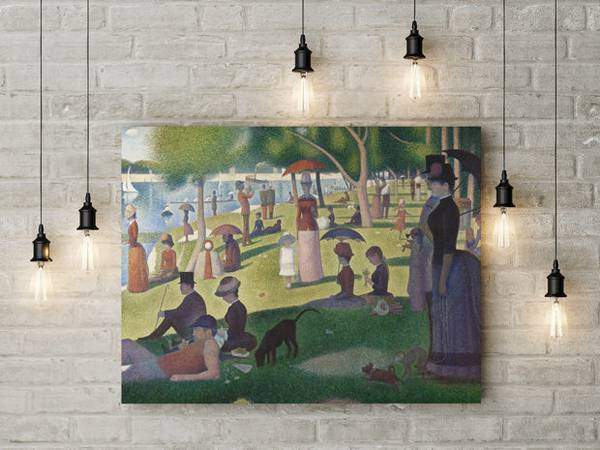
Best for: artwork, photography, illustration, typography, art prints, and interior presentation.
This simple wall scene is useful when the artwork itself should remain the main focus. It gives a flat composition enough environmental context without overwhelming the presentation with excessive styling.
Use It for Art Print Presentations
When showing artwork for sale, pair the mockup with a clean flat image so customers can see both the realistic scale and the actual print design.
Source note: this is an older external resource. Check current availability and licensing before relying on it for commercial work.
2. TV on Wall Mockup

Best for: digital signage, presentations, video content, hospitality, office interiors, and smart-home concepts.
A wall-mounted screen gives digital artwork a more architectural context than a laptop or tablet mockup.
It can be useful for presenting:
- Digital menus.
- Lobby screens.
- Brand films.
- Reception displays.
- Interior digital signage.
Source note: verify the current external download page and licensing before professional use.
3. Billboard on Brick Wall Mockup
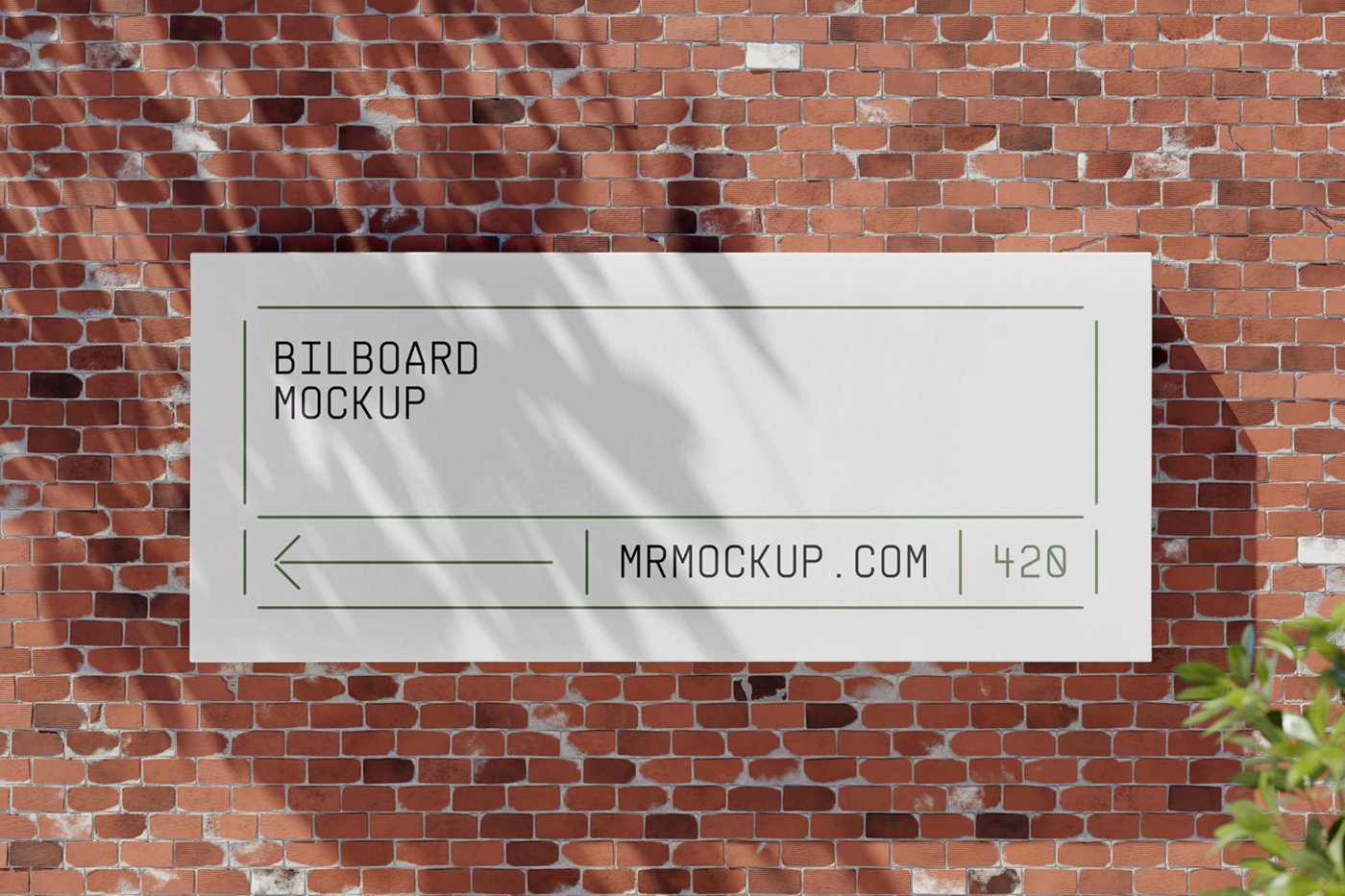
Best for: advertising, hospitality, street campaigns, fashion, events, music, and urban branding.
The brick surface gives this scene a stronger urban personality than a clean billboard presentation.
Design for Visual Noise
Brick already creates significant texture.
Use:
- Strong contrast.
- Large typography.
- Simple imagery.
- Clear hierarchy.
so the advertisement does not disappear into the background.
4. Living Room Wall Art Mockup
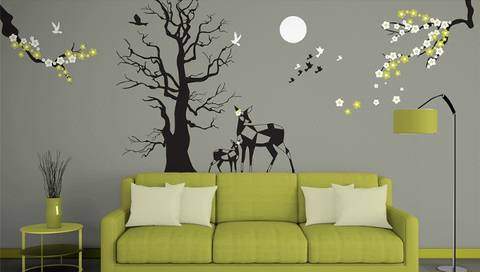
Best for: art prints, photography, interior décor, illustrations, posters, and home-design products.
A furnished living room gives the viewer a much clearer sense of how artwork might feel inside a real home.
This is particularly useful for online art shops and print designers because it communicates approximate scale and atmosphere.
5. Vinyl Sticker & Wall Decal Mockup PSD
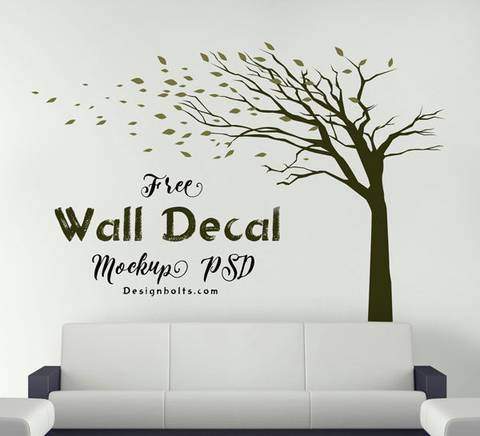
Best for: wall lettering, logos, quotes, children’s rooms, offices, retail interiors, and environmental graphics.
Wall decals behave differently from framed artwork because the graphic appears to sit directly on the architecture.
Think About Negative Space
When the wall itself becomes part of the design, empty space around the lettering or illustration becomes especially important.
6. Indoor & Outdoor Office Wall Sign Mockup PSD
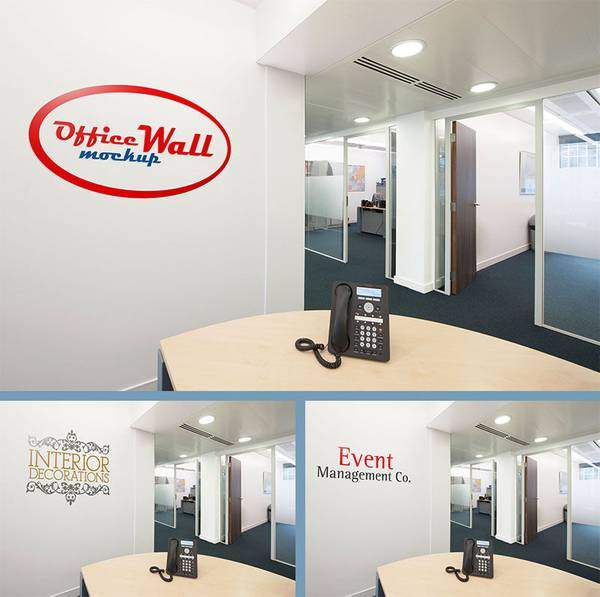
Best for: corporate identities, reception areas, agencies, offices, clinics, studios, hotels, and professional services.
Office signage is one of the most practical applications to include in a branding presentation.
It demonstrates whether a logo can move beyond digital screens and stationery into architectural scale.
Test the Logo Silhouette
A wall sign may be viewed from across a room.
Small internal details that work in a business card may become unnecessary or difficult to reproduce at large scale.
7. Painting on Wall Mockup PSD

Best for: photography, illustration, paintings, prints, typography, and interior décor concepts.
This artwork-focused scene gives designers another option for showing how a print or painting might appear once displayed vertically in a physical interior.
Check the current Freepik licensing terms before using the resource commercially.
8. Front Wall Mockup

Best for: logos, signage, murals, typography, office branding, retail concepts, and architectural presentations.
A front-facing wall provides a clean surface for evaluating the design without strong perspective distortion.
Useful for Logo Scale Testing
Try several versions:
- Small centered mark.
- Large wall logo.
- Symbol only.
- Logo plus tagline.
This can help determine how much visual space the identity actually needs.
9. Living Room Wall Art Mockup
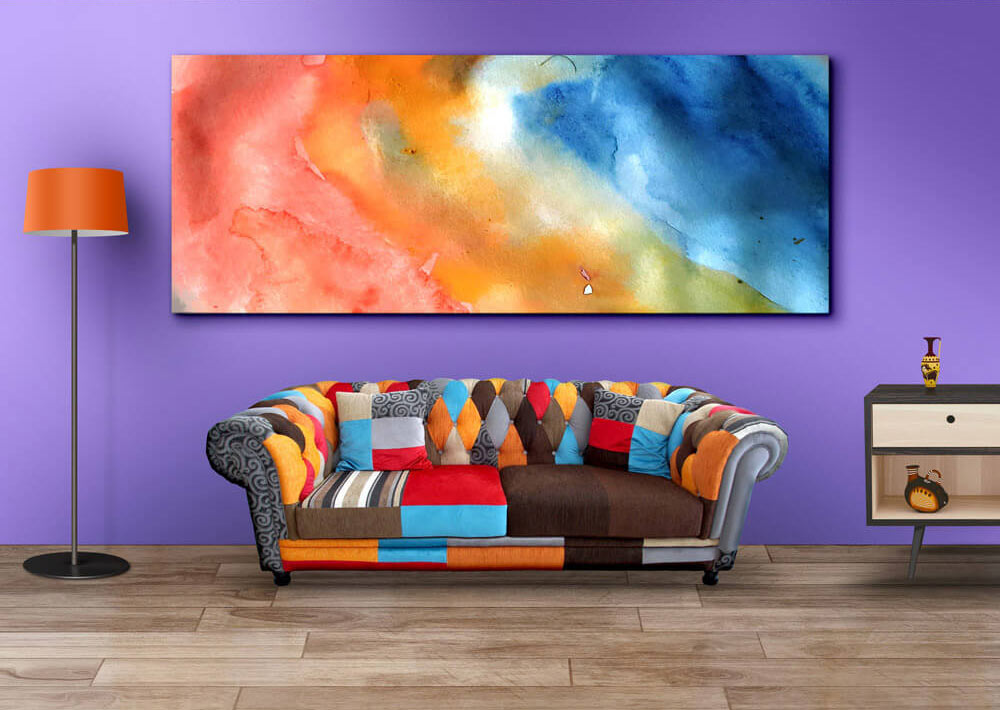
Best for: posters, photography, art prints, home décor, illustration, and lifestyle presentations.
Interior scenes help buyers and clients imagine artwork as part of a lived environment rather than an isolated digital file.
Pay attention to the visual relationship between the artwork and:
- Furniture.
- Wall color.
- Lighting.
- Interior style.
10. Vinyl Wall Decal Mockup

Best for: quotes, lettering, nursery graphics, office walls, cafés, salons, retail interiors, and decorative branding.
Decal mockups are useful when the design needs to look integrated with the wall rather than framed or mounted.
11. Wall PSD Mockup

Best for: logos, signage, lettering, interior branding, artwork, and presentation concepts.
A neutral wall scene is one of the most versatile resources in the collection because it does not impose a very strong stylistic direction on the design.
Let the Brand Determine the Style
Minimal scenes are particularly useful when you want typography, color, or the logo itself to carry the presentation.
12. Street Wall Mockup

Best for: streetwear, music, posters, campaigns, urban art, fashion, events, and cultural branding.
A street environment introduces more visual noise than a studio wall, making it useful for testing whether the design remains recognizable in a real public setting.
13. Big Wall Mockup
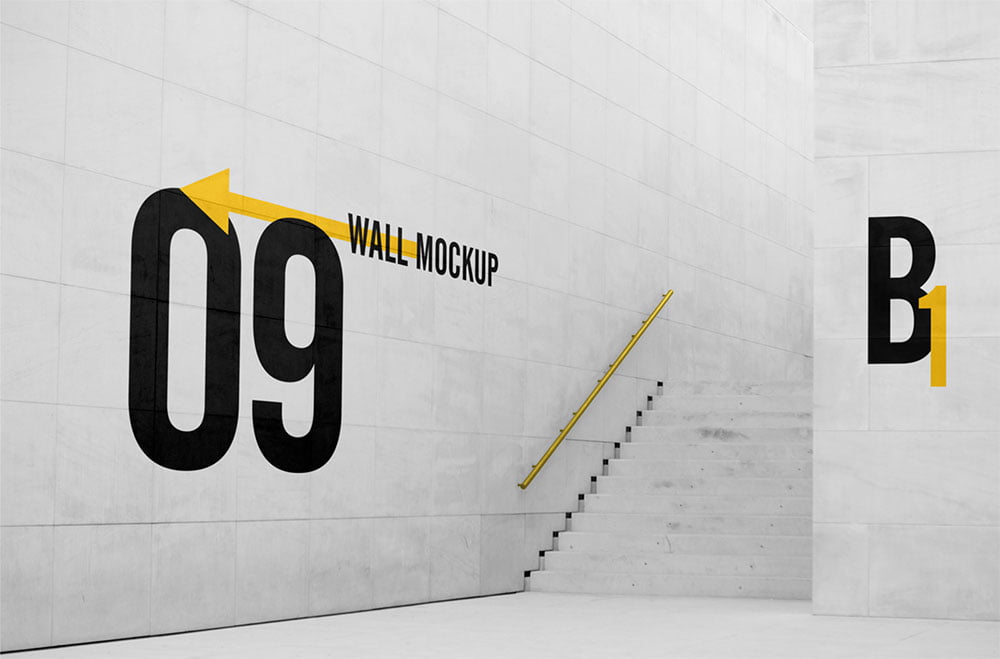
Best for: murals, oversized logos, brand installations, event graphics, retail interiors, and environmental design.
A large wall gives designers a chance to explore scale beyond conventional posters and signs.
Do Not Fill the Entire Surface Automatically
Large-format branding can often feel more premium when the design uses architectural negative space rather than covering every available area.
14. Brick Wall Mockup
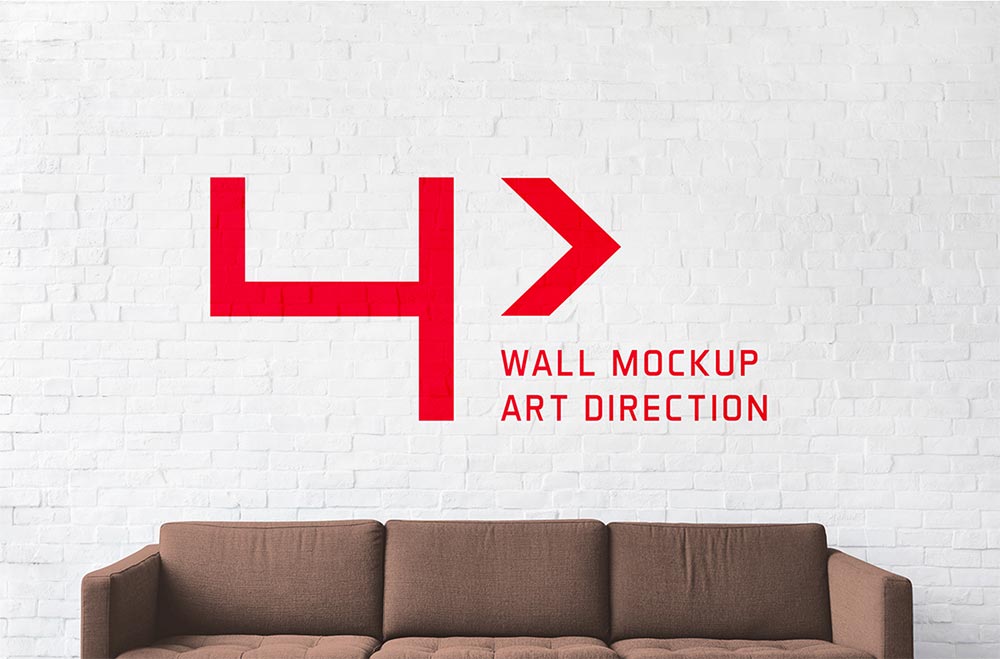
Best for: restaurants, cafés, bars, streetwear, music, industrial branding, retail, and hospitality.
Brick creates texture and visual character before artwork is added.
This makes it especially appropriate for identities that need a more industrial, urban, handcrafted, or architectural presentation.
Use Enough Contrast
Thin lines and subtle colors can disappear against mortar joints and brick texture.
Test the artwork at realistic viewing size.
15. Wall Decal Mockup
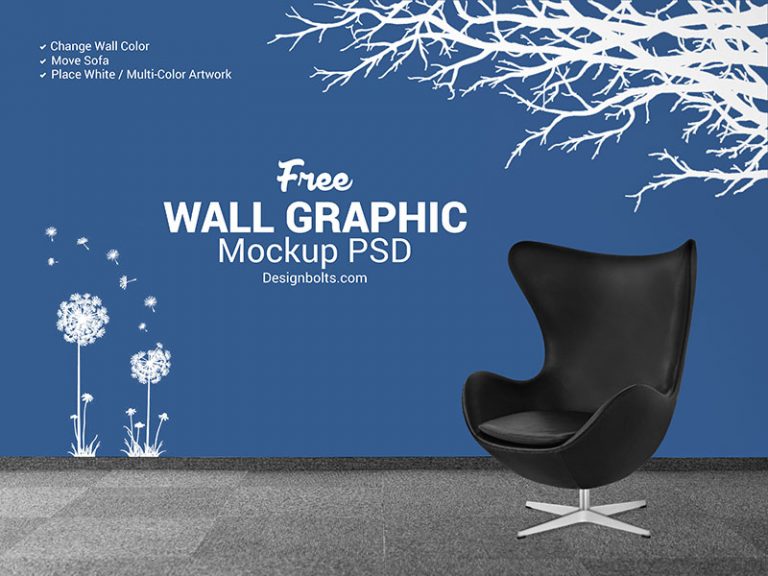
Best for: typography, logos, quotes, interior graphics, signage, children’s rooms, offices, and decorative wall designs.
This type of resource is useful when you need to compare how the same decal behaves across lighter and darker surfaces.
How to Choose the Right Wall Mockup
Choose the scene based on where the design could realistically appear.
Corporate Branding
Consider:
- Office wall signs.
- Front walls.
- Reception spaces.
- Clean architectural scenes.
Hospitality Branding
Brick walls, interior signs, decals, and large wall graphics can work particularly well for restaurants, cafés, bars, and hotels.
Artwork and Photography
Choose:
- Living room scenes.
- Minimal walls.
- Framed artwork presentations.
Urban Campaigns
Use street walls, brick surfaces, or large-scale advertising environments.
How to Present a Logo on a Wall
Test More Than One Size
Do not assume the largest version is automatically the strongest.
Check Viewing Distance
Reception signage may be viewed from across a lobby rather than directly in front of the wall.
Test the Symbol Separately
If the identity has an icon or monogram, it may work better on environmental signage than the complete logo.
Wall Logo vs Wall Decal
A wall logo may appear as:
- Dimensional lettering.
- Metal sign.
- Illuminated logo.
- Painted mark.
A decal typically feels flatter and more integrated into the wall surface.
The choice should reflect both the intended production method and the personality of the brand.
How to Design Wall Graphics
Start With Architecture
Consider:
- Doors.
- Windows.
- Furniture.
- Electrical fixtures.
- Columns.
- Viewing angles.
The wall is part of a room, not an isolated Photoshop rectangle.
Use Scale Intentionally
A giant phrase may work in a creative studio but feel inappropriate in a small clinic reception area.
Do Not Ignore Negative Space
Environmental graphics often benefit from much more breathing room than digital banners or social graphics.
Typography for Wall Graphics
Use Readable Letterforms
Long viewing distances require stronger typography.
Increase Spacing When Necessary
Letters installed individually on a wall may need different spacing than the same logo viewed on screen.
Avoid Extremely Thin Strokes
Fine details can disappear when produced physically or viewed from a distance.
Brick Wall Design Tips
Work With the Texture
Brick already introduces:
- Lines.
- Color variation.
- Shadows.
- Irregularity.
The design should be strong enough to remain clear without fighting the surface.
Choose Simpler Marks
Complex thin logos may lose clarity when shown against strong brick texture.
How to Use Wall Mockups in a Portfolio
Show the Original Artwork
Include a clean version of the logo, poster, or wall graphic.
Add One Environmental Hero Image
Choose the scene that best represents the real application.
Use Different Mockups for Different Purposes
A branding case study could include:
- Reception wall.
- Outdoor sign.
- Interior decal.
Each image should demonstrate something different about the identity.
Wall Mockup Workflow
- Complete the flat artwork.
- Determine the intended wall application.
- Choose a mockup with a relevant surface.
- Insert the artwork using the available editing method.
- Adjust scale realistically.
- Check contrast against the surface.
- Review viewing distance.
- Check perspective and lighting.
- Export the final presentation.
Common Wall Mockup Mistakes
1. Making the Logo Too Large
More wall space does not automatically mean the artwork should fill it.
2. Ignoring the Wall Texture
Brick, concrete, and textured paint can reduce clarity.
3. Choosing the Wrong Environment
The scene should match the brand.
4. Showing Only Mockups
Always include clean artwork somewhere in the presentation.
5. Using Unrealistic Perspective
The artwork needs to follow the geometry of the wall.
6. Ignoring Viewing Distance
Environmental graphics are often seen from farther away than digital artwork.
7. Using Extremely Thin Typography
Fine strokes can disappear at architectural scale.
8. Overusing Effects
Do not add excessive glow, embossing, or metallic effects when they do not match the intended production method.
9. Choosing a Beautiful but Irrelevant Scene
A mockup should communicate the actual project context.
10. Assuming Every Free Wall Mockup Allows Commercial Use
Check each individual resource license.
Wall Mockup Licensing Checklist
- Is personal use allowed?
- Is commercial use allowed?
- Can it be used in paid client presentations?
- Can the resulting image appear in advertising?
- Is portfolio use allowed?
- Is attribution required?
- Can the source PSD be modified?
- Can the mockup file itself be redistributed?
- Can it be included in products or templates for resale?
Frequently Asked Questions About Free Wall Mockups
What are wall mockups?
Wall mockups are presentation templates that place logos, artwork, signage, posters, decals, or typography onto realistic interior or exterior wall surfaces.
What are free wall mockups used for?
Free wall mockups can be used for branding presentations, office signage, wall decals, artwork, posters, murals, environmental graphics, hospitality branding, and portfolio case studies.
What is the best wall mockup for a logo?
A clean front wall, office sign, or architectural wall scene usually works well because it allows designers to evaluate logo scale and visibility clearly.
What wall mockups work best for art prints?
Living room scenes, clean interior walls, framed presentations, and gallery-style environments are usually the most appropriate.
What is the difference between a wall mockup and a poster mockup?
A wall mockup focuses primarily on the architectural surface and may be used for logos, signage, decals, murals, or artwork. A poster mockup usually represents a specific printed poster format displayed on or near a wall.
What is the difference between a wall mockup and a billboard mockup?
Billboard mockups represent much larger advertising structures designed for long viewing distances. Wall mockups can represent everything from small interior graphics to large environmental branding.
Do all wall PSD mockups use Smart Objects?
No. Many do, but editing methods vary between resources.
Can free wall mockups be used commercially?
Only when the individual resource license permits the intended commercial use.
Can wall mockups be used for office branding?
Yes. Office wall signs, reception logos, decals, and large environmental graphics can help demonstrate how a brand identity extends into a physical workplace.
Should I show the flat logo or artwork too?
Yes. The clean design allows viewers to evaluate the actual work, while the mockup demonstrates how it might appear in a realistic environment.
Final Thoughts
The best free wall mockups do more than make a logo, poster, or artwork look realistic.
They help designers evaluate the relationship between the design and the space around it.
A white interior wall can keep attention on typography. Brick can add urban character. A living room gives artwork lifestyle context, while an office wall sign demonstrates how a corporate identity behaves at architectural scale.
Choose the mockup according to the real application.
Check scale. Review contrast. Consider viewing distance. Respect the architecture. Avoid unnecessary effects. Show the original artwork alongside the environmental presentation.
And always verify the current resource license before commercial use.
A strong wall mockup should make the intended environment easier to understand without becoming more important than the design itself.
For more mockups, fonts, Photoshop resources, textures, patterns, and practical inspiration for designers, continue exploring DesignRise.