







Free handwritten fonts can give digital design something that perfectly geometric typography often cannot: personality, spontaneity, warmth, and the impression that a real human hand is present somewhere in the visual system.
That makes handwritten typography useful far beyond wedding invitations and inspirational quotes.
A rough brush font can bring energy to a poster or music campaign. A flowing script can soften a beauty or lifestyle identity. A condensed handwritten typeface can make editorial graphics feel less mechanical, while an imperfect casual font can give packaging, social media, or children’s content a more approachable character.
The challenge is that “handwritten” describes many very different styles.
A dry brush font, signature script, casual marker face, elegant calligraphy font, and playful handwritten sans serif may all imitate handwriting, but they communicate completely different moods and behave very differently inside a layout.
This DesignRise collection brings together 20 free handwritten fonts and handwritten-style typefaces for branding, posters, invitations, packaging, social media, editorial graphics, logos, cards, websites, and personal creative projects.
Some resources also offer Cyrillic characters, while others focus primarily on Latin alphabets. Character sets, current download availability, and licensing vary by source, so always review the original font page before using a typeface in multilingual or commercial work.
This guide also explains how to choose a handwritten font, when brush typography works better than script, how to pair handwritten lettering with cleaner typefaces, how to test readability, and how to avoid making an entire design feel unnecessarily informal.
Licensing note: the resources in this collection come from different font websites, designers, marketplaces, and foundries. A font that is available to download does not automatically grant unrestricted commercial rights. Some may be free for commercial use, some may be personal-use versions, and some source pages or licensing conditions may have changed since the collection was originally published. Always check the current license before client work, branding, merchandise, packaging, advertising, apps, websites, or products.
Explore More DesignRise Resources:
- Free Cool Fonts for Unique and Creative Designs
- Photoshop Actions for Your Work
- Space Photoshop Brushes
- Explore More Font Collections on DesignRise
Free Handwritten Fonts: Why Designers Still Use Them
Digital design increasingly relies on precise grids, reusable components, templates, AI-assisted workflows, and scalable design systems. Handwritten typography introduces contrast to that precision.
It Adds a Human Voice
A handwritten word can feel like a note, signature, annotation, label, or personal message rather than formal typesetting.
It Creates Emotional Contrast
A polished photograph paired with imperfect handwriting can feel more personal. A strict geometric layout can become warmer with one handwritten accent.
It Can Replace Illustration
Expressive lettering can become the main visual element in:
- Posters.
- Packaging.
- Album artwork.
- Social graphics.
- Merchandise.
It Helps Establish Tone Quickly
Brush strokes can communicate energy. Thin calligraphy can feel romantic. Marker-style writing can feel youthful. Loose handwritten sans serif lettering can feel friendly and informal.
Handwritten Font, Script Font or Brush Font?
20 Free Handwritten Fonts for Designers
1. Arabella Font
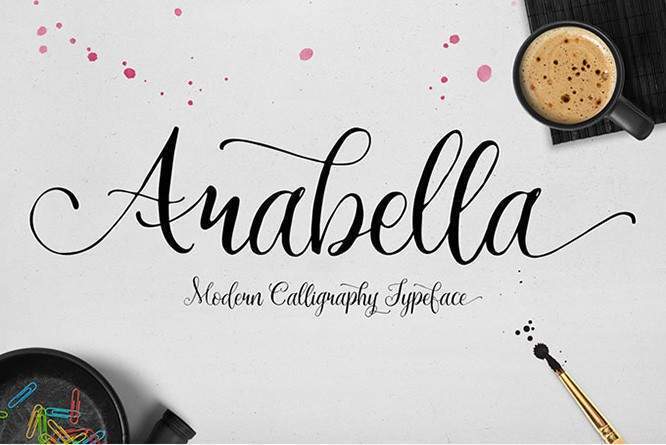
Best for: beauty branding, fashion, invitations, stationery, photography, lifestyle graphics, and elegant social media.
Arabella sits on the more refined side of handwritten typography. Its flowing construction makes it suitable for designs where the lettering should feel personal but still polished.
Use It for Short Statements
Signature-style script is strongest in names, short phrases, invitations, and display typography rather than long paragraphs.
2. BlowBrush Font
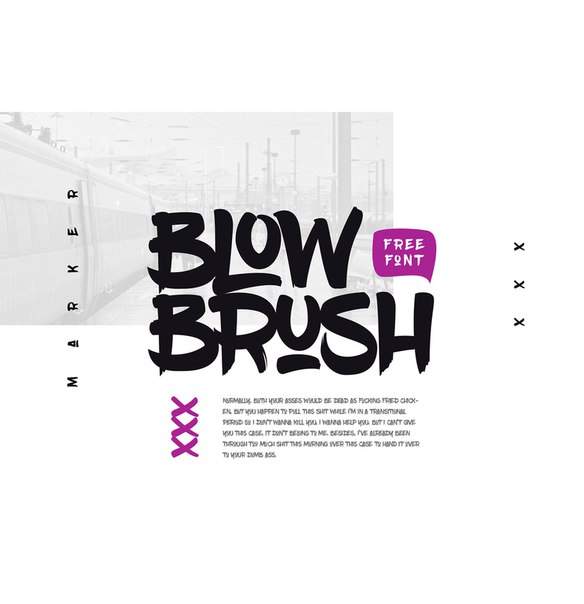
Best for: posters, music, streetwear, events, sports graphics, bold quotes, and social media campaigns.
BlowBrush offers a much rougher and more energetic direction. The visible brush character gives large words a physical, painted quality that works particularly well in high-impact compositions.
Do Not Smooth Away the Texture
The irregular brush edges are part of the personality. Pair the font with clean supporting typography instead of trying to make the complete layout equally rough.
3. Brusher Font
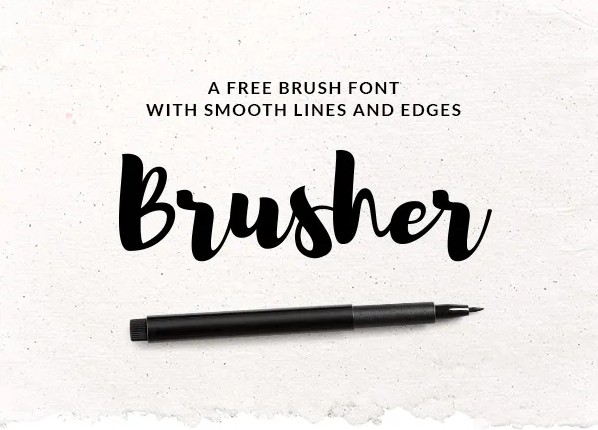
Best for: branding accents, posters, package design, apparel, food, social media, and promotional graphics.
Brusher combines the movement of hand-painted lettering with relatively bold forms, which helps it remain readable at larger sizes.
Use Brush Typography as the Main Accent
One brush headline can create enough handmade energy for the entire layout. Supporting text can remain neutral.
4. FOFER Font
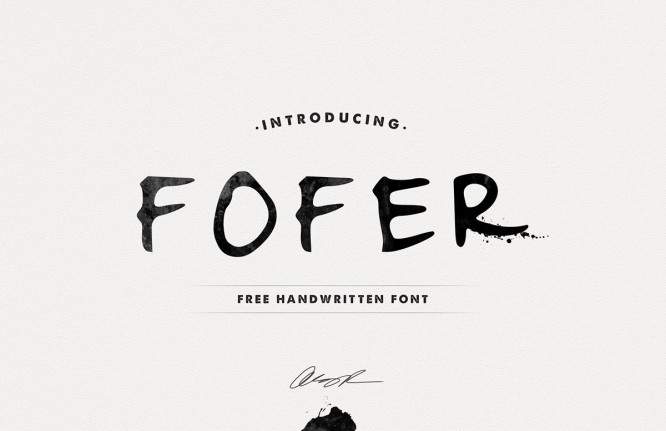
Best for: quotes, casual branding, packaging, children’s design, notes, stationery, and friendly social content.
FOFER provides a more casual handwritten voice than polished script lettering. That makes it useful when you want something that feels naturally written rather than formally calligraphic.
5. Handletters Font
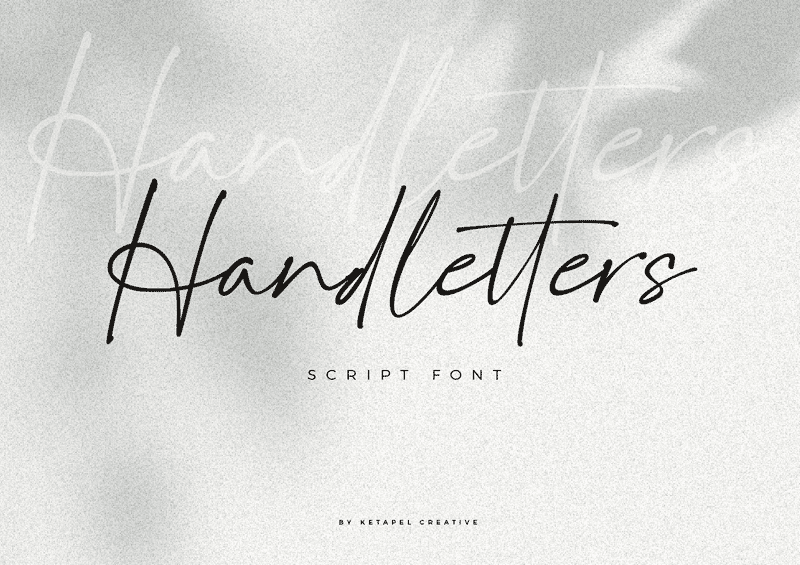
Best for: handmade branding, posters, food packaging, cards, social graphics, lettering-based artwork, and merchandise.
Handletters is useful when the project needs obvious handmade character without moving all the way into elegant calligraphy.
Test Every Word Individually
Handwritten fonts often have highly distinctive letters. One word may look excellent while another creates awkward spacing or difficult joins.
6. Movus Brushpen Font
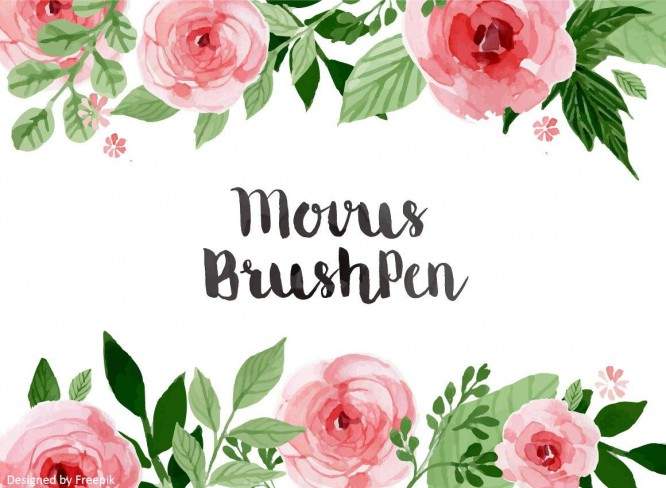
Best for: posters, handwritten quotes, merchandise, music, events, lifestyle branding, and dynamic headlines.
Movus Brushpen imitates marker or brush-pen movement, giving typography a more immediate and spontaneous appearance.
This style is particularly effective when the composition needs energy without the very rough texture of a dry-brush font.
7. Neaments Font
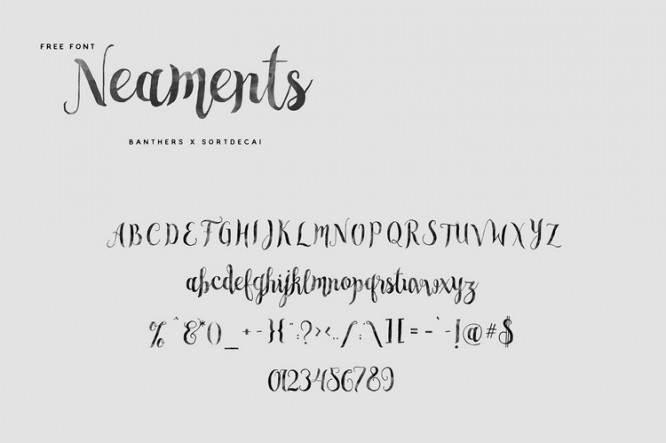
Best for: romantic branding, invitations, cards, beauty, stationery, photography, and decorative quotes.
Neaments moves toward a softer decorative script aesthetic. Use it where elegance and personality are more important than strict typographic neutrality.
8. Plume Font
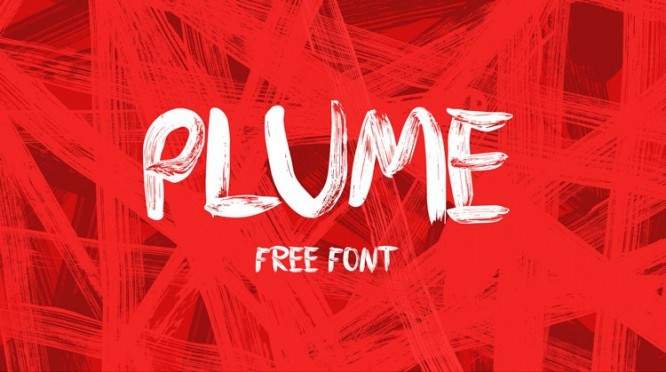
Best for: invitations, lifestyle design, elegant notes, fashion, editorial accents, and artistic stationery.
Plume offers a lighter handwriting direction that can provide contrast inside more structured compositions.
Give Delicate Letterforms Enough Contrast
Thin handwritten strokes can disappear on busy photography. Use a clean background, subtle overlay, or stronger tonal separation.
9. Sannie Font
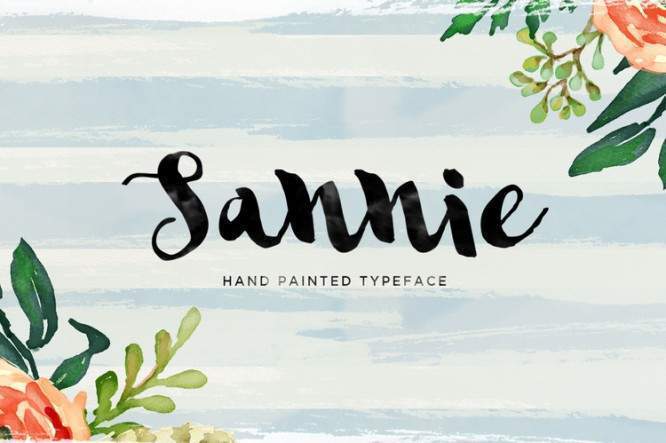
Best for: casual logos, greeting cards, lifestyle content, quotes, packaging, social media, and children’s projects.
Sannie provides a friendlier everyday handwriting style rather than formal script. This type of font works well when the message should feel direct and approachable.
10. Selima Font
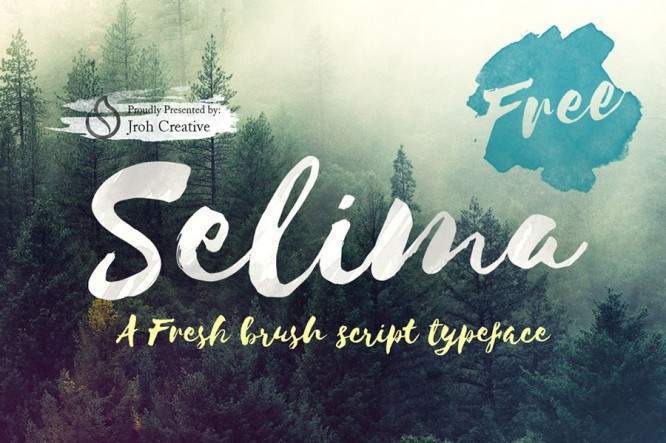
Best for: fashion, beauty, posters, quotes, branding accents, invitations, and social media.
Selima has a loose expressive rhythm that feels more spontaneous than traditional formal calligraphy.
Use the Imperfection
Handwritten fonts become less convincing when designers force them into overly rigid alignment or surround them with excessive digital effects.
11. SUMMER Font
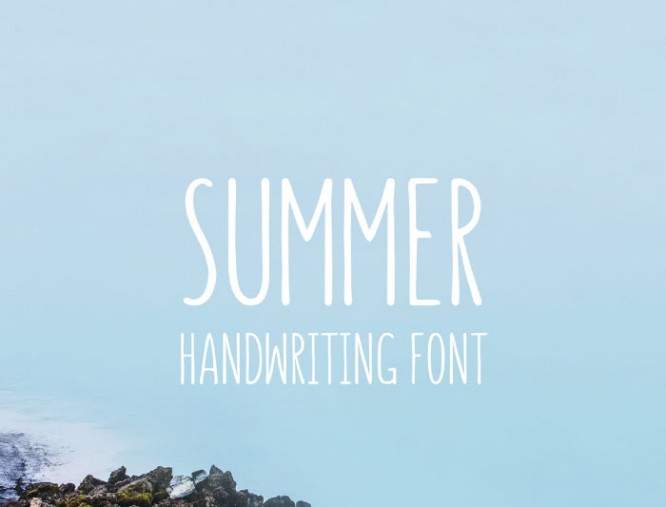
Best for: multilingual graphics, summer campaigns, social media, lifestyle branding, cards, posters, and casual lettering.
SUMMER is especially interesting for projects that need handwritten character together with Cyrillic support.
Check the Full Language Set
Cyrillic support can vary significantly between free fonts. Always type the exact Ukrainian, Russian, Bulgarian, or other required copy before committing to the typeface.
12. Ardina Script Font
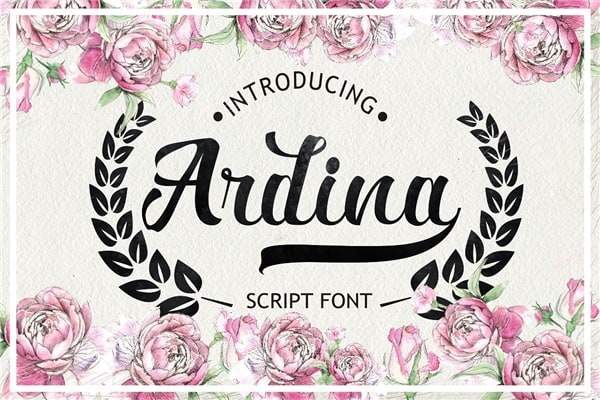
Best for: weddings, luxury stationery, beauty, logos, photography, packaging, and elegant invitations.
Ardina Script belongs to the more polished side of handwritten typography and is useful when you want the movement of handwriting without a deliberately rough result.
Availability note: check the current marketplace page for pricing and licensing because marketplace offerings can change over time.
13. Cherie Bomb Font
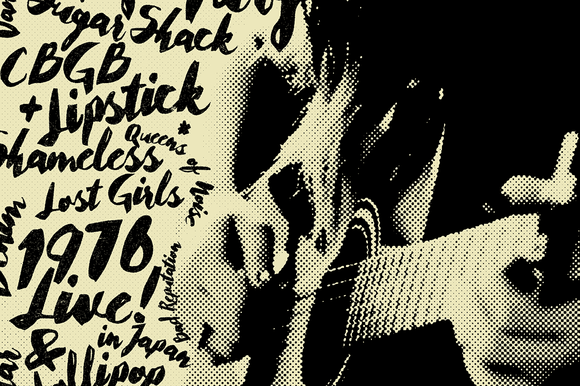
Best for: playful branding, kids graphics, entertainment, packaging, posters, merchandise, and colorful social content.
Cherie Bomb feels more like illustrated lettering than formal handwriting. Its stronger personality makes it useful for short words and expressive titles.
Availability note: this resource currently links to a font marketplace, so verify current pricing and license terms before use.
14. Donald Trump’s Tiny Hand Font
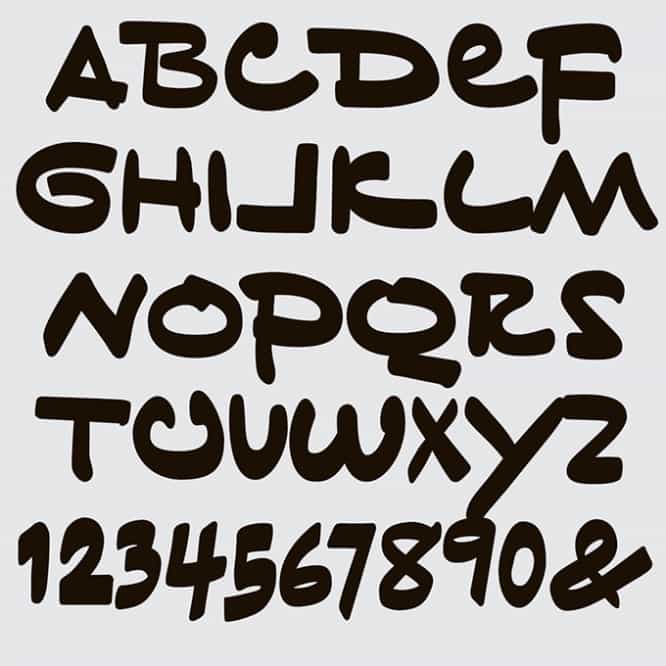
Best for: novelty graphics, humorous typography, editorial illustration, memes, experimental posters, and informal creative projects.
This is a deliberately novelty-driven handwritten typeface rather than a general-purpose script. Its value is the unusual personality of the letterforms, so it works best when the typography itself is part of the concept.
15. Hamish Font
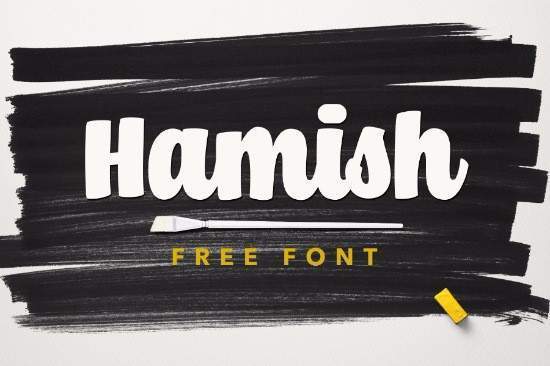
Best for: branding accents, posters, quotes, packaging, merchandise, casual social graphics, and lifestyle projects.
Hamish provides an informal handwritten personality that can make polished compositions feel more relaxed.
16. Happy Fox Condensed Font
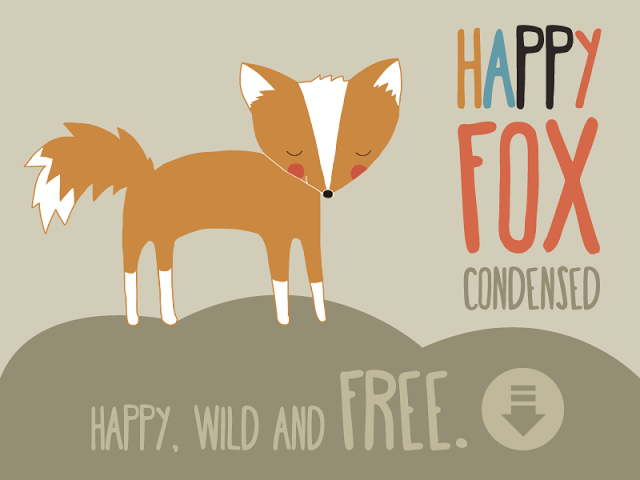
Best for: multilingual posters, children’s projects, social media, editorial titles, cards, and narrow headline spaces.
Happy Fox Condensed combines handwritten character with narrow proportions, making it useful when a casual headline needs to fit into limited horizontal space.
Condensed Handwriting Needs Careful Spacing
Test tracking and word spacing manually. Natural handwriting and condensed proportions can otherwise make neighboring letters feel crowded.
17. Julianne Script Font
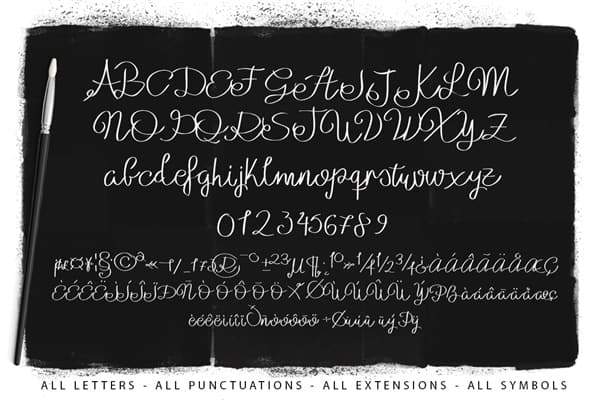
Best for: invitations, feminine branding, beauty, cards, stationery, personal logos, and photography.
Julianne Script offers flowing connected lettering that naturally suits elegant and lifestyle-oriented projects.
18. Lavanda Font
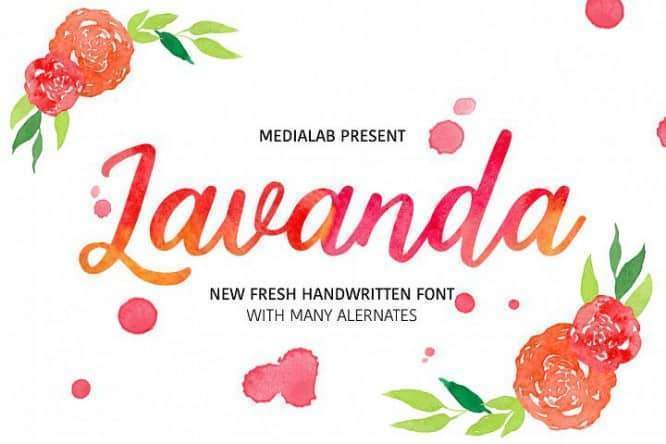
Best for: floral branding, wedding stationery, beauty, lifestyle products, invitations, and romantic typography.
Lavanda’s decorative script personality works especially well when paired with restrained botanical imagery, clean photography, or a simple serif or sans-serif companion.
19. Scallion Font
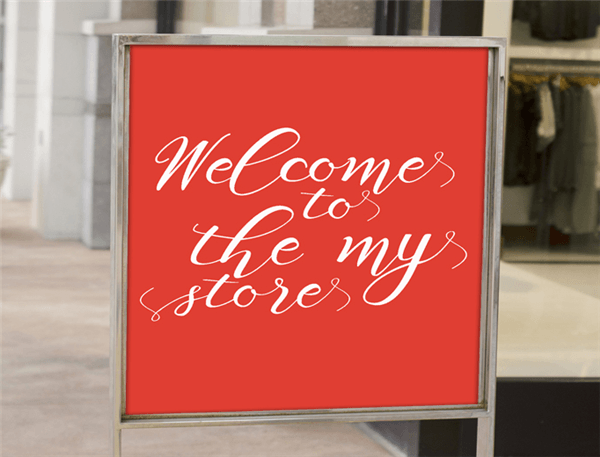
Best for: food branding, packaging, labels, casual posters, notes, social media, and handmade projects.
Scallion can help food, craft, or lifestyle design feel less corporate and more handmade.
Pair It With Structured Information
Use the handwritten font for the brand name or key phrase, then use a clean sans serif for ingredients, prices, addresses, or product details.
20. The Flower City Font
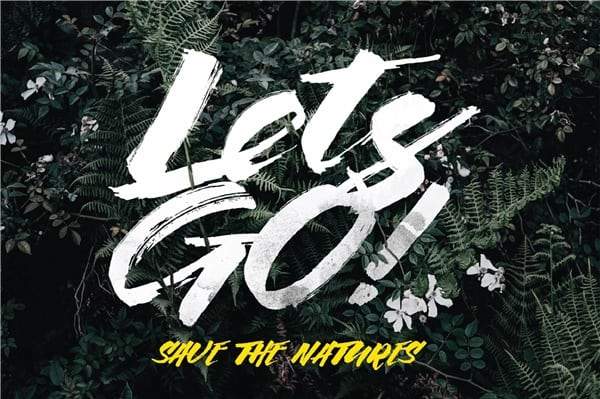
Best for: botanical brands, wedding design, beauty, feminine packaging, cards, lifestyle projects, and invitations.
The Flower City closes the collection with a flowing decorative script that naturally fits romantic, floral, and lifestyle-oriented visual directions.
How to Choose a Handwritten Font for Branding
A handwritten logo can feel distinctive, but not every handwritten font works as a brand typeface.
Friendly and Casual
Look at fonts such as FOFER, Sannie, Hamish, Scallion, or Happy Fox Condensed.
Energetic and Bold
BlowBrush, Brusher, and Movus Brushpen offer more physical movement and stronger texture.
Elegant and Personal
Arabella, Ardina, Julianne, Lavanda, Neaments, and The Flower City move toward a more decorative script direction.
Playful
Cherie Bomb and more informal handwritten styles can work well for entertainment, kids, merchandise, or intentionally expressive identities.
How to Pair Handwritten Fonts With Other Typefaces
Handwriting + Neutral Sans Serif
This is usually the safest pairing.
Use the handwritten font for:
- Brand name.
- Headline.
- Quote.
- Signature.
Use the sans serif for:
- Body copy.
- Prices.
- Addresses.
- Navigation.
- Captions.
Elegant Script + Serif
A restrained serif can create a sophisticated editorial or wedding direction when paired with elegant script.
Brush Font + Geometric Sans
The contrast between rough brush strokes and precise geometry can make posters and campaigns feel much more deliberate.
Avoid Two Similar Scripts
Two decorative handwritten fonts usually create competition rather than hierarchy.
How to Use Handwritten Fonts Without Making Design Look Amateur
Use Them Selectively
A handwritten font does not need to appear in every text element.
Keep Supporting Typography Clean
The handmade element becomes stronger when contrasted against something structured.
Control Alignment
Handwritten typography can still be professionally aligned. Informal letterforms do not require a chaotic layout.
Avoid Excessive Rotation
Designers sometimes rotate every handwritten word to make it feel more organic. One or two subtle variations are usually enough.
Do Not Add Fake Imperfection Everywhere
If the font already contains irregular strokes, additional noise, texture, distortion, and grain can quickly become unnecessary.
Handwritten Fonts for Social Media
Use Short Phrases
Handwritten typography is excellent for:
- One-line hooks.
- Quotes.
- Annotations.
- Labels.
- Emphasis words.
Check the Mobile Preview
Thin scripts that look beautiful on a desktop may disappear when viewed inside a small mobile feed.
Use Handwriting as Contrast
For example, a clean sans-serif headline can contain one handwritten highlighted word.
Handwritten Fonts for Packaging
Brand Name
Script or brush lettering can create a handmade product identity.
Flavor or Product Variant
A handwritten secondary word can differentiate individual products while preserving the same main brand system.
Short Product Messages
Handwriting works well for phrases such as:
- Handmade.
- Small batch.
- Limited edition.
- Made with care.
But required information should remain in a highly readable typeface.
Handwritten Fonts for Wedding and Event Design
Script fonts remain popular in wedding stationery because they naturally suggest personal writing and formal correspondence.
Use Script for Names
Names are often the strongest place for decorative calligraphy.
Use a Simpler Typeface for Details
Dates, addresses, times, RSVP information, and schedules should remain easy to scan.
Give Flourishes Space
Long ascenders and swashes need enough breathing room between lines.
How to Test a Handwritten Font Before Using It
Type the Real Words
A font specimen may use letter combinations that make the font look unusually good.
Check Repeated Letters
Words such as:
- coffee.
- happy.
- letter.
- summer.
can reveal whether repeated identical glyphs make the typeface look obviously digital.
Check Capitals
Decorative capital letters can behave very differently from lowercase script.
Check Numbers
Important for:
- Invitations.
- Prices.
- Dates.
- Addresses.
Check Punctuation
Apostrophes, ampersands, commas, and quotation marks become especially noticeable in display typography.
Check Accented and Cyrillic Characters
Do this before committing to multilingual branding.
How to Make Digital Handwriting Feel More Natural
A font repeats exactly the same shape each time a character appears, while natural handwriting contains variation.
Use Alternates When Available
Some fonts include stylistic alternates, ligatures, or swashes.
Adjust Individual Letters Carefully
For short logo typography, subtle custom spacing or manual adjustments can make the result feel less mechanical.
Do Not Overdo It
Artificially rotating every character or manually distorting the complete word usually looks less natural rather than more natural.
Common Handwritten Font Mistakes
1. Using Handwriting for Long Body Copy
Most handwritten fonts are intended for display use.
2. Using Script Too Small
Thin connections and brush texture can disappear.
3. Using Several Handwritten Fonts Together
One handwritten voice is usually enough.
4. Choosing a Script That Does Not Match the Brand
Elegant calligraphy communicates something very different from rough brush lettering.
5. Ignoring Letter Connections
Some fonts create awkward joins in specific words.
6. Ignoring Numerals
This often becomes a problem later in invitations, packaging, or promotional campaigns.
7. Ignoring Language Support
A Latin-only font cannot automatically support Ukrainian, Russian, Polish, French, Spanish, or other multilingual requirements.
8. Applying Too Many Handmade Effects
The typeface itself may already provide all the texture needed.
9. Using Script Over Busy Photography
Add enough contrast or provide a quieter area for the lettering.
10. Assuming Free Download Means Commercial License
Check the author’s current terms before professional use.
Free Handwritten Font Licensing Checklist
- Is commercial use permitted?
- Can the font be used in a logo?
- Can it be used for paid client projects?
- Can it be used on merchandise?
- Can it be used on packaging?
- Is webfont embedding permitted?
- Can the font be used inside an app?
- Is attribution required?
- Is the download a demo or personal-use version?
- Can the original font file be redistributed?
Frequently Asked Questions About Free Handwritten Fonts
What are free handwritten fonts?
Free handwritten fonts are typefaces designed to imitate handwriting, brush lettering, marker strokes, signatures, calligraphy, or other manually created letterforms.
What are handwritten fonts best used for?
They work particularly well for logos, posters, packaging, invitations, social media, quotes, cards, lifestyle branding, merchandise, and decorative headlines.
What is the difference between a handwritten font and a script font?
“Handwritten” is the broader category. Script fonts usually imitate connected cursive or calligraphic writing, while handwritten fonts can also look like marker lettering, print handwriting, brush strokes, or casual notes.
What are the best handwritten fonts for branding?
The right choice depends on the brand personality. Arabella, Julianne, Lavanda, and Ardina provide more elegant directions; Brusher and BlowBrush feel stronger and more energetic; Sannie, Hamish, and Scallion are more casual.
What handwritten fonts work for posters?
Brush fonts such as BlowBrush, Brusher, and Movus Brushpen are particularly useful when a poster needs large expressive typography.
What handwritten fonts work for wedding invitations?
Arabella, Ardina, Julianne, Lavanda, Neaments, and The Flower City naturally suit more elegant and romantic event design.
Are handwritten fonts good for logos?
Yes, especially for personal brands, food, beauty, fashion, hospitality, craft products, and lifestyle businesses. Test the exact brand name carefully before choosing one.
Which handwritten fonts support Cyrillic?
The collection includes resources such as SUMMER and Happy Fox Condensed that are presented through Cyrillic font libraries. Always check the exact character set required by your project.
Are all 20 fonts free for commercial use?
No universal claim should be made. Licensing and current availability vary by font and source, so the original page should be checked individually.
Can handwritten fonts be used on websites?
Yes, when the license and available file formats allow web use. For performance and readability, handwritten fonts are usually best reserved for headings or accent text rather than long paragraphs.
Final Thoughts
The best free handwritten fonts are not simply the fonts that look most like natural handwriting.
The strongest choice is the one that matches the personality and purpose of the project.
BlowBrush and Brusher create energy. Arabella, Ardina, Julianne, Lavanda, and The Flower City add more decorative elegance. Sannie, FOFER, Hamish, and Scallion provide a relaxed casual voice. SUMMER and Happy Fox Condensed are especially interesting when multilingual or Cyrillic typography matters.
The important thing is to use handwriting deliberately.
You do not need an entire page of script to make a design feel personal. One handwritten word can create enough contrast against a structured sans serif. One brush headline can carry a complete poster. One signature-style name can give a clean identity a much more human presence.
Test the actual words. Check repeated letters. Look at capitals, numbers, punctuation, and language support. Reduce the size. Place the lettering over real photography. Pair it with functional typography.
And before the project becomes commercial, check the current license.
A handwritten font works best when it feels like a human detail inside a designed system — not when the whole system is trying to imitate handwriting.
For more typography collections, fonts, Photoshop resources, mockups, brushes, and creative design inspiration, continue exploring DesignRise.